Last Updated: February 25, 2026 — Reviewed by Brian Hayes
Long-standing research shows that direct exposure to lead can be harmful to human health. The negative effects of lead exposure are particularly dangerous for young children and pregnant women. Even low levels of lead within the home can harm a child’s intellectual development, size and behaviour. It’s therefore important to prevent all sources of potential lead contact. Here, our experts outline three ways to reduce exposure to lead in household drinking water.
1. Run Cold Water to Flush the Lead
While this is not a permanent solution by any means, it can help prevent the potential for lead ingestion in the short-term. By running cold water during periods after the taps have been unused for several hours, homeowners can flush the lead elements that might have settled within their pipes. Running the cold water for a period of at least 5 minutes is often long enough to remove all lead contaminants from the system. If a lead issue is suspected, it’s also important to use cold tap water for all drinks, as hot water can increase the leaching of the lead.
2. Install Filters at the Tap
Homeowners might consider buying and installing a filter for their tap to help remove the lead from the drinking water, thereby making the water safe for consumption. There are a broad range of filters available, including carbon-based filters. To achieve the best results in terms of filtration, it’s important to install such devices on the tap that’s most commonly used for drinking water. Homeowners should ensure that any such device is manufactured to the NSF standard for lead removal.
3. Contact a Plumber for Removal of Lead Sources
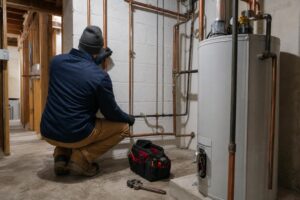
Oftentimes, the sources of lead running into the home are plumbing system lines and brass fitting on faucets. To help mitigate these problems and resolve lead contamination issues over the long-term, homeowners might consider contacting their local plumber for the replacement of lines and fittings. Plumbers can remove lead components and replace them with modern systems designed for safe and effective use over many years.
By proactively seeking out professional advice on lead contamination issues, homeowners can remove any doubts about their family’s safety from lead contamination. Speak with one of our team members today to learn more about water safety. Trusted experts are standing-by to answer all questions.
Additional Resources
Frequently Asked Questions
What are the benefits of lead in drinking water for my Oshawa home?
Benefits of lead in drinking water include cleaner drinking water, better taste, removal of chlorine and sediment, and protection for plumbing fixtures. Hayes Plumbing can test your water and recommend the right solution.
How often does lead in drinking water equipment need maintenance?
Most lead in drinking water systems need filter replacement every 3 to 6 months and professional inspection annually. Hayes Plumbing offers maintenance plans to keep your system running efficiently in Oshawa.
How much does lead in drinking water installation cost?
The cost of lead in drinking water installation depends on the system type and your home plumbing setup. Under-sink systems are more affordable while whole-house systems provide comprehensive treatment. Hayes Plumbing provides free estimates.
Need help with water filtration or softener installation? Hayes Plumbing & Bathroom Renovations serves Oshawa, Ajax, Whitby, Clarington, and Pickering. Contact us or call (905) 576-3043 for a free estimate.