A bathroom renovation is one of the highest-value upgrades you can make to your home — but plumbing mistakes during the rough-in phase can turn a dream reno into an expensive do-over. Whether you’re gutting a full bathroom or just swapping fixtures in your Oshawa home, this checklist covers everything your plumber needs to address before the tile goes down. Getting the plumbing right during rough-in is what separates a renovation that lasts decades from one that causes problems within months.
Pre-Renovation Plumbing Inspection

Before any demolition begins, your plumber should conduct a thorough assessment of the existing plumbing infrastructure. This step catches hidden problems that would otherwise surface mid-renovation — after you’ve already spent money on demolition and framing.
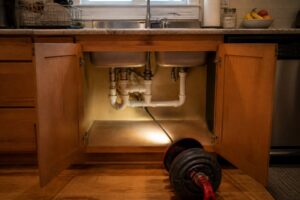
Start with a camera inspection of existing drain lines. Older Oshawa homes — especially those built before the 1970s — may have cast iron or clay drain pipes that are partially collapsed, root-infiltrated, or corroded from decades of use. Discovering this after you’ve installed a new floor is far more expensive than finding it beforehand.
Check water pressure and flow rate at the existing bathroom fixtures. If your current pressure is marginal (below 40 PSI), adding a rain shower head, body jets, or a dual-head shower setup will make it noticeably worse. Address supply issues before demolition — adding a pressure booster or upgrading the service line is easier when walls aren’t open yet.
Identify all shut-off valve locations and test their condition. Corroded gate valves — the older style with a round handle — should be replaced with quarter-turn ball valves before any renovation work begins. A gate valve that’s been sitting untouched for 15 years may not fully close when you need it to, turning a controlled renovation into a water emergency.
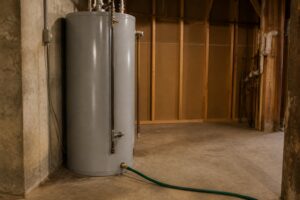
Assess your water heater capacity against the planned renovation. Adding a second shower head, larger soaking tub, or hydronic heated floor increases hot water demand significantly. Your current 40-gallon tank may not keep up with a renovated bathroom that draws twice the hot water of the original.
Rough-In Requirements: Drain, Supply, and Vent
The rough-in phase is where most plumbing mistakes happen — and where they’re most expensive to fix later. Every pipe, fitting, and connection must be positioned precisely for your new fixture layout before walls and floors close up.
Drain positioning must match your new fixture layout exactly. Moving a toilet even 6 inches requires cutting into the subfloor and re-routing the closet bend — the large drain fitting that connects the toilet flange to the main drain stack. This is a significant structural modification that adds cost and complexity.
Supply line sizing matters more than most homeowners realize. Standard 1/2-inch lines handle individual fixtures fine, but if your bathroom renovation includes a double vanity with two faucets, a separate shower and tub, or body spray jets, a 3/4-inch trunk line from the main supply is necessary to maintain adequate pressure across all fixtures running simultaneously.
Vent stack connections are a code and inspection item that directly affects drain performance. Every drain needs proper venting to help prevent siphoning; without it, draining one fixture can pull water out of another fixture’s trap and allow sewer gas into the bathroom. Review current Ontario Building Code plumbing requirements with a licensed plumber before walls are closed.
Waterproofing behind the rough-in is often overlooked. The shower valve, mixing valve, and supply stubs must be set at the correct depth for your chosen tile thickness plus the waterproof membrane. Setting them too deep means the trim plate won’t cover the opening; too shallow and the valve interferes with the tile surface.
Fixture Selection and Flow Rates
Your fixture choices directly affect the plumbing infrastructure needed. Making these selections before rough-in ensures the plumbing supports exactly what you want to install.
Ontario rules include maximum-flow requirements for residential showerheads, and fixture standards can change. Check the current Ontario Building Code showerhead flow table and Natural Resources Canada showerhead guidance before selecting fixtures, especially for multi-head shower designs.
Freestanding tub drains require a floor-level rough-in positioned precisely where the tub’s drain outlet sits. This location must be planned before the subfloor is finished — not after. Unlike a standard alcove tub where the drain connects through an access panel, a freestanding tub drain is permanent once the floor is tiled.
Wall-mounted toilets and floating vanities need reinforced blocking behind the drywall to support the weight. Your plumber and framer need to coordinate before walls close up — the blocking location depends on the specific fixture model’s mounting specs, so the fixture must be selected before framing is complete.
Thermostatic versus pressure-balance shower valves is an important choice. Thermostatic valves give precise temperature control and are ideal for rain showers and multi-head setups. Pressure-balance valves are the Ontario code minimum — they prevent scalding by maintaining a temperature ratio, but they don’t allow precise temperature selection.
Ventilation and Exhaust Considerations

Bathroom ventilation is where plumbing and HVAC intersect. Treat exhaust planning as a permit and inspection conversation, especially when walls or ceilings are open during a renovation.
Exhaust fan sizing should match room volume. The minimum is 50 CFM for standard bathrooms, but for larger spaces the rule is 1 CFM per square foot. An undersized fan leaves moisture in the air, which promotes mould growth on grout, caulking, and drywall — especially in Ontario’s humid summers.
Duct routing matters more than fan selection. Exhaust must vent to the exterior through a dedicated duct — never into the attic, soffit, or shared wall cavity. Improper venting pushes warm, moist air into cold spaces where it condenses, causing rot and mould damage that’s invisible until it’s severe.
Do not treat ventilation as an afterthought. Bathroom exhaust should vent outdoors through a dedicated duct, and fan sizing should match the room so moisture does not linger behind new tile, paint, or trim.
If your home has a forced-air HVAC system, the exhaust fan interacts with your home’s overall air pressure balance. A powerful exhaust fan pulling air out of the bathroom creates negative pressure that can affect furnace draft, fireplace operation, and even cause backdrafting of combustion gases. An HVAC professional should verify the system stays balanced after exhaust fan installation.
Final Inspection Checklist
Before any finish work begins — tile, drywall, paint, or trim — the rough-in plumbing must pass inspection. These are the critical tests your plumber should perform and document.
Pressure test all supply connections before closing walls. The standard is 60 PSI held for 15 minutes with no pressure drop. This confirms every joint, solder connection, and fitting is leak-free under full system pressure. Any drop means there’s a leak that needs to be found and repaired while everything is still accessible.
Drain test with water by filling each fixture (or test plugging the drain and filling the line) and draining simultaneously. This verifies adequate flow capacity and confirms there’s no cross-contamination between drain lines. If one drain gurgles when another is used, the venting needs attention.
Verify that hot water arrives at the correct side of each fixture — left is hot (standard in Ontario) — and that mixing valves are calibrated to prevent scalding. The Ontario Building Code limits tempered water at shower outlets to 49°C (120°F).
Schedule the municipal plumbing inspection before any tile, drywall, or finish work covers the rough-in. A failed inspection after finishing means tearing out brand-new work to expose and correct the plumbing underneath. This is the single most expensive mistake in bathroom renovation sequencing.
Ready to start your bathroom renovation? Call Hayes Plumbing at (905) 576-3043 for a pre-renovation plumbing inspection in Oshawa, Ajax, Whitby, Pickering, or anywhere in Durham Region.
Frequently Asked Questions
How long does rough-in plumbing take for a bathroom renovation?
For a standard full bathroom renovation in Durham Region, rough-in plumbing typically takes 1 to 2 days. This includes drain re-routing, supply line installation, vent connections, and valve placement. If the existing drains need to be replaced (common in pre-1970s Oshawa homes with cast iron), add an extra day for drain work.
Do I need a plumbing permit for my bathroom renovation?
In Ontario, a plumbing permit is required any time you move, add, or modify drain or vent pipes. Simply replacing fixtures in the same location (swapping a toilet for the same footprint, changing a faucet) does not require a permit. Your licensed plumber should pull the permit and schedule the inspection as part of the job.
Can I keep using the bathroom during a renovation?
During rough-in, the bathroom will be completely out of service — typically 3 to 5 days. Plan to use another bathroom in the home during this phase. If you only have one bathroom, discuss staging options with your plumber. Some renovators do a phased approach where the toilet is temporarily reconnected at the end of each work day.
What should be confirmed before walls are closed?
Confirm supply pressure, drain slope, venting, shutoff valves, valve depth, waterproofing sequence, and inspection status before drywall or tile covers the rough-in. It is much easier to correct those details while the walls and floor are still open.
For a pre-renovation plumbing inspection or rough-in review in Durham Region, call Hayes Plumbing at (905) 576-3043.