A sewer gas smell in an Oshawa basement should not be brushed off as normal old-house odour. Sometimes the cause is simple, like a dry floor drain trap. Other times it points to a cracked drain line, blocked vent, failed wax ring, or plumbing fixture that was installed without proper trap protection. The smell may come and go as weather, water use, or pressure inside the drain system changes.
Hayes Plumbing & Bathroom Renovations helps homeowners track down odours before they turn into backups or water damage. If your basement smells like rotten eggs, damp drains, or stale sewage, use this guide to understand what might be happening.
Why Basements Often Show Sewer Gas Problems First

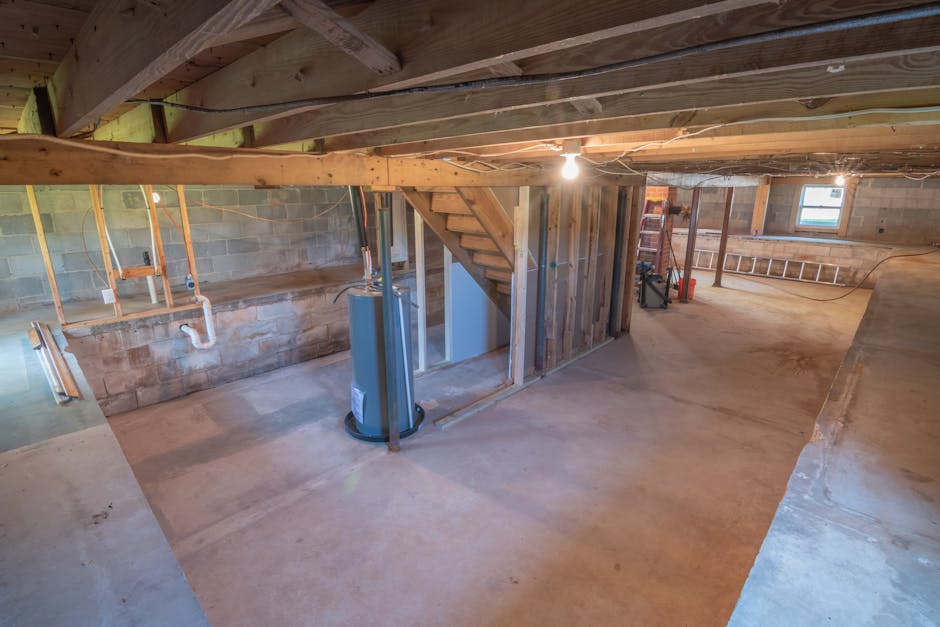
Basements are where many drain lines, floor drains, laundry tubs, sump areas, and mechanical equipment come together. They also tend to have fixtures that are used less often. A guest bathroom, floor drain, or laundry standpipe can sit unused long enough for the trap water to evaporate.
A plumbing trap is designed to hold water and block sewer gases from entering the home. When that water seal disappears, the drain becomes an open path for odour. Pouring water into the drain may help if dryness is the only issue, but recurring odour means the cause needs a closer look.
Finished basements can make diagnosis harder because pipes are hidden behind drywall, cabinets, flooring, or ceiling panels. The smell may appear in one room even though the issue begins somewhere else.
Common Plumbing Causes of Sewer Odour
Dry traps are common, but they are not the only cause. A cracked drain pipe can leak odour without leaking much visible water. A loose toilet seal can release sewer gas around the base of the toilet. A blocked or poorly routed vent can siphon water out of traps, especially when a washing machine, tub, or toilet drains quickly.
Floor drains deserve special attention. Some have trap primers that add water automatically. If the primer fails, the trap dries out again and again. Older drains may also collect sludge, hair, soap, or sediment that smells even when the trap still has water.
Backwater valves, sump pits, laundry standpipes, and basement bathroom groups can also contribute. If the odour appears after heavy rain or after several fixtures drain at once, tell the plumber. Timing gives useful clues.
When Sewer Gas Can Be a Health Concern
Most basement odours are investigated because they are unpleasant, but gas exposure can become a safety concern in certain settings. Health Canada explains that hydrogen sulfide is a colourless gas with a rotten egg smell and can be produced by wastewater and other sources. You can read their overview at Canada.ca.
If the smell is strong, sudden, or paired with dizziness, nausea, headaches, or eye irritation, leave the area and get help. Do not climb into pits, tanks, or confined spaces. Those areas can hold hazardous gases even when the rest of the basement seems normal.
OSHA also provides a plain-language overview of hydrogen sulfide as a workplace hazard at osha.gov. Homeowners do not need to become gas experts, but they should treat strong odours with caution.
What a Plumber Checks During Diagnosis

A plumber starts with the basics: which drains are nearby, when the smell appears, whether fixtures are used often, and whether any recent renovations changed the plumbing. Then the visible drains, traps, cleanouts, toilet seals, vent paths, and basement fixtures are inspected.
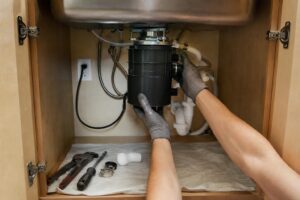
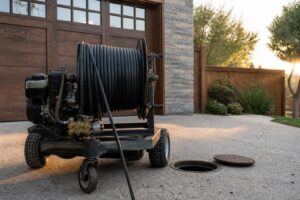
Sometimes the fix is simple, such as restoring trap water, cleaning a drain, replacing a toilet wax seal, or repairing a loose fitting. In other cases, camera inspection or drain cleaning may be needed to find a damaged line, blockage, or improper connection.
Do not mask the smell with air fresheners and wait. If sewer gas can get out, water or waste may eventually find the same weak point. A small diagnosis now can prevent a larger basement cleanup later.
Call Hayes Plumbing for Basement Odours
Hayes Plumbing can inspect sewer odours, slow drains, basement floor drains, laundry plumbing, and leak concerns across Oshawa and Durham Region. Start with our Drain Cleaning & Rooter Service or Leak Detection and Repair pages, or call (905) 576-3043. You can also contact Hayes Plumbing to schedule a visit.
Frequently Asked Questions
Will pouring water into a floor drain stop sewer smell?
It may help if the trap is dry. If the smell returns quickly, the drain may need cleaning, the trap primer may not be working, or another plumbing issue may be pulling water out of the trap.
Can a toilet cause sewer gas in a basement?
Yes. A loose toilet, failed wax ring, cracked flange, or venting issue can release odour even when the toilet still flushes. Any movement at the toilet base should be checked.
When should I call a plumber for sewer smell?
Call when the smell is strong, recurring, hard to locate, or connected to slow drains, backups, basement moisture, or recent plumbing work. Those signs point beyond a one-time dry trap.