Ontario’s spring thaw is coming, and sump pump maintenance in Durham Region should be at the top of every homeowner’s to-do list. March is the critical window — snow is melting, the ground is still partially frozen (so water runs toward your foundation instead of soaking in), and April’s heavy rains are just weeks away. A sump pump that fails during spring thaw can mean thousands of dollars in basement flood damage. This guide walks you through a complete maintenance checklist, common failures to watch for, and when to call a professional.
Why Spring Is the Critical Season for Sump Pumps

According to the Ontario Ministry of Public Safety, basement flooding is one of the most common and costly property damage events in the province. Durham Region sits in a climate zone that delivers a triple threat every spring:
- Snowmelt: An average Ontario winter drops 100 to 150 cm of snow. When temperatures rise above freezing in March, that snow becomes water — fast. A single day above 5°C can release thousands of litres of meltwater around your foundation.
- Frozen ground: Even as surface snow melts, the soil below may still be frozen 30 to 60 cm deep. Frozen ground acts like a barrier, channelling meltwater sideways toward your foundation walls and into the weeping tile system that feeds your sump pit.
- Spring rains: April in Durham Region typically brings 70 to 80 mm of rain. Combined with snowmelt, this creates peak water table conditions that your sump pump must handle continuously — sometimes running every few minutes for days at a time.
Your sump pump may sit idle for months during summer and fall. Then in March, it suddenly needs to perform flawlessly under sustained load. That is why pre-season maintenance is so important. Discovering a failed pump during a spring storm is a nightmare no homeowner wants to experience.
Sump Pump Maintenance Checklist for Durham Region Homeowners

Run through this checklist in late February or early March — before the thaw begins. Each step takes only a few minutes, and together they dramatically reduce your risk of a pump failure when it matters most.
1. Test the GFCI Outlet
Your sump pump should be plugged into a Ground Fault Circuit Interrupter (GFCI) outlet. Press the “Test” button — the outlet should trip (click) and cut power. Press “Reset” to restore power. If the GFCI does not trip or will not reset, the outlet needs replacement. A faulty GFCI can cut power to your pump without warning.
2. Inspect the Power Cord and Clean the Pit
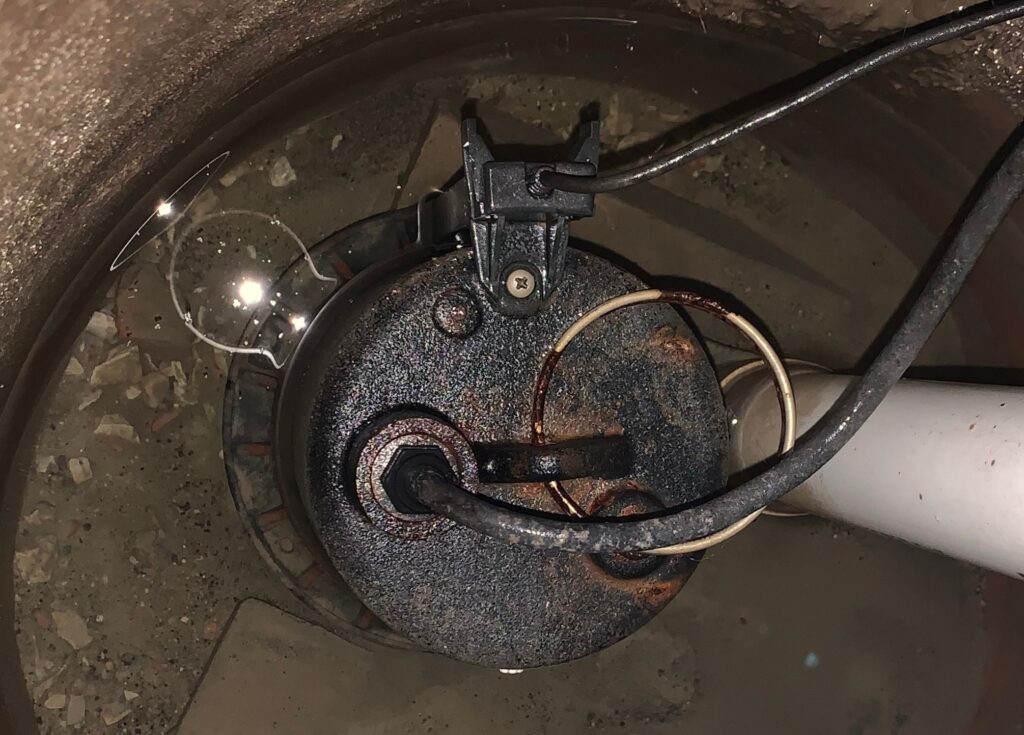
Check the power cord for fraying, cracks, or burn marks and make sure the plug is fully seated. Then remove the sump pit cover and clear out any sediment, gravel, or debris that could clog the intake or jam the impeller.
3. Test the Float Switch
The float switch tells the pump when to turn on. Pour a bucket of water into the sump pit until the float rises and triggers the pump. The pump should activate, remove the water, and shut off automatically when the water level drops. If the float sticks, does not rise freely, or the pump does not respond, the switch may need cleaning or replacement.
4. Check the Discharge Line and Check Valve
Follow the discharge pipe from the pump to where it exits your home. Make sure the exterior outlet is clear of ice, dirt, and debris — in late winter, it can freeze over completely, trapping water and causing the pump to run without moving anything. While you are at it, inspect the check valve on the discharge pipe. If you hear water rushing back into the pit after the pump cycles off, the valve is worn and needs replacement.
5. Test the Battery Backup
If you have a battery backup sump pump — and every Durham Region home should — test it separately. Unplug the primary pump and pour water into the pit. The backup should activate and remove the water. Check the battery age; most last 3 to 5 years. Replace proactively rather than waiting for it to fail during a power outage.
6. Listen for Unusual Sounds
A healthy pump produces a steady hum. Grinding, rattling, or screeching noises indicate worn bearings, a damaged impeller, or trapped debris. Unusual vibration can mean the pump has shifted off its base.
Common Sump Pump Failures and Warning Signs

Sump pumps do not last forever. The average lifespan is 7 to 10 years for a quality submersible pump, less for pedestal models. Here are the failures that catch Durham Region homeowners off guard:
- Stuck float switch: The most common cause of pump failure. Mineral deposits, debris, or a shifted pump can prevent the float from moving freely. The pump either runs non-stop (burning out the motor) or never turns on.
- Frozen discharge line: Water in the discharge pipe freezes during a cold snap, blocking flow. The pump runs but water has nowhere to go, eventually burning out the motor or overflowing the pit.
- Power failure: Spring storms frequently knock out power in Durham Region. Without a battery backup, your pump is dead during the exact conditions that produce the most water.
- Overwhelmed capacity: A pump rated for normal conditions may not keep up with extreme spring thaw. If it cycles every 30 seconds during heavy melt, it may be undersized.
- Worn check valve: Allows water to drain back into the pit after each cycle, doubling the pump’s workload.
If you spot any of these warning signs, do not wait for the spring thaw to test your pump’s limits. A professional plumber can diagnose the issue and recommend repair or replacement before the season turns wet.
Maintenance Schedule and Basement Flooding Prevention
For Durham Region’s climate, run the full checklist twice a year — March and October. Do a quick visual check monthly from March through June (pit level, float, discharge outlet). Replace backup batteries every 3 to 5 years, and consider replacing the primary pump at the 8 to 10 year mark.
Beyond the pump itself, reduce water reaching your foundation by grading landscaping away from the house, extending downspouts at least 2 metres out, keeping eavestroughs clean, and sealing any foundation cracks. A backwater valve prevents municipal sewer backup during heavy rain. If you have experienced basement leaks or seepage, professional leak detection can pinpoint the source before it becomes a full flood situation.
Frequently Asked Questions

How do I know if my sump pump is working?
Pour a 20-litre bucket of water into the sump pit. The float switch should rise, the pump should turn on, remove the water, and shut off automatically. If nothing happens, check the plug and GFCI outlet. If the pump hums but does not move water, the impeller may be jammed or the discharge line blocked.
Do I need a battery backup sump pump?
In Durham Region, absolutely. Spring and ice storms frequently knock out power for hours or days. A battery backup activates automatically when the primary pump loses power. Units cost $400 to $800 installed and provide 6 to 12 hours of pumping on a full charge.
How long do sump pumps last?
A quality submersible pump lasts 7 to 10 years. Pedestal pumps last 10 to 15 years because the motor sits above water. If your pump runs frequently during spring thaw, expect the shorter end of that range. Proactive replacement at 8 to 10 years is far cheaper than emergency replacement during a flood.
What size sump pump do I need?
Most Durham Region homes do well with a 1/3 to 1/2 HP submersible pump. A 1/3 HP handles normal conditions; 1/2 HP is better for high water tables, clay soil, or a history of heavy spring water. A plumber can assess your specific situation and recommend the right capacity.
Can a plumber install or replace a sump pump?
Yes. Sump pump installation involves plumbing connections (discharge pipe, check valve, weeping tile connection) and is standard work for a licensed plumber. At Hayes Plumbing, we install, replace, and maintain sump pumps across Durham Region, including battery backup systems. If your existing pump is aging or showing signs of trouble, March is the ideal time for a replacement — before the spring rush.
Do not wait for the first warm day to discover your sump pump is not ready. Sump pump maintenance in Durham Region takes less than an hour and can save you from a catastrophic basement flood. Contact Hayes Plumbing at (905) 576-3043 or visit our contact page for a free estimate. Serving Oshawa, Whitby, Ajax, Pickering, Clarington, and all of Durham Region.