If you are comparing a water softener vs water filter for your Durham Region home, you are asking the right question — but they solve very different problems. A water softener removes hardness minerals like calcium and magnesium that cause scale buildup. A water filter removes contaminants like chlorine, sediment, lead, and bacteria that affect taste and safety. Many homes benefit from both. This guide explains how each system works, what Durham Region water is really like, and which option makes sense for your situation.
Water Softener vs Water Filter: What Is the Difference?

The simplest way to understand the difference: a water softener treats water hardness, while a water filter treats water quality. They address separate issues and use completely different technology.
How a Water Softener Works
A water softener uses a process called ion exchange. Hard water passes through a tank filled with resin beads that carry a sodium (salt) charge. The resin beads attract and hold calcium and magnesium ions, replacing them with sodium ions. The result is “soft” water that does not leave mineral deposits on fixtures, glassware, or inside pipes.
Every few days, the softener runs a regeneration cycle that flushes the captured minerals down the drain and recharges the resin with sodium from a brine tank. This is why you need to refill the salt regularly — typically every 4 to 8 weeks depending on water usage and hardness level.
How a Water Filter Works
Water filters use physical or chemical barriers to remove contaminants from your water supply. The most common types include:
- Sediment filters: Trap sand, rust particles, and debris. Usually the first stage in a multi-stage system.
- Activated carbon filters: Remove chlorine, volatile organic compounds (VOCs), and unpleasant tastes and odours.
- Reverse osmosis (RO): Forces water through a semi-permeable membrane that removes up to 99 percent of dissolved contaminants including lead, fluoride, nitrates, and bacteria.
- UV filters: Use ultraviolet light to kill bacteria and viruses without adding chemicals.
Filters can be installed at a single point of use (under the kitchen sink, for example) or as a whole-house system that treats every tap and shower in the home.
Durham Region Water Quality: What Comes Out of Your Tap

Durham Region draws its municipal water primarily from Lake Ontario, treated at facilities in Ajax, Whitby, and Oshawa. The Region also supplies some areas from groundwater wells, particularly in northern communities like Uxbridge and Port Perry.
According to Durham Region’s annual water quality reports, the municipal supply meets all Health Canada drinking water quality guidelines. However, “safe” does not always mean “ideal for your home.” Here is what homeowners commonly notice:
- Hard water: Durham Region water hardness ranges from 120 to 150 mg/L (moderately hard to hard). This is enough to cause visible scale on faucets, white film on glassware, and mineral buildup inside hot water tanks and pipes.
- Chlorine taste and odour: The Region uses chloramine (a chlorine-ammonia compound) for disinfection. While safe, it gives water a noticeable chemical taste, especially in the summer when treatment levels increase.
- Sediment in well water: Homes on private wells in northern Durham may have sand, iron, or manganese in the water, causing staining and metallic taste.
- Lead from older plumbing: Homes built before 1955 in Oshawa may have lead service lines or lead solder on copper joints. The municipality is working to replace lead lines, but the homeowner’s portion is their responsibility.
Signs You Need a Water Softener
Hard water is more of a household nuisance than a health risk, but it costs you money over time. Consider a water softener if you notice:
- White, chalky deposits on faucets, showerheads, and around drains
- Spots and film on glassware and dishes even after a full dishwasher cycle
- Soap and shampoo that will not lather well
- Stiff, scratchy laundry even with fabric softener
- Dry, itchy skin after showering
- Reduced water pressure over time (mineral buildup narrowing pipes)
- Premature failure of your hot water tank (scale insulates the heating element, forcing it to work harder and burn out sooner)
A standard whole-house water softener for a Durham Region home costs $1,200 to $2,500 installed, depending on capacity and brand. Operating costs include salt ($50 to $100 per year) and increased water usage during regeneration cycles.
Signs You Need a Water Filter
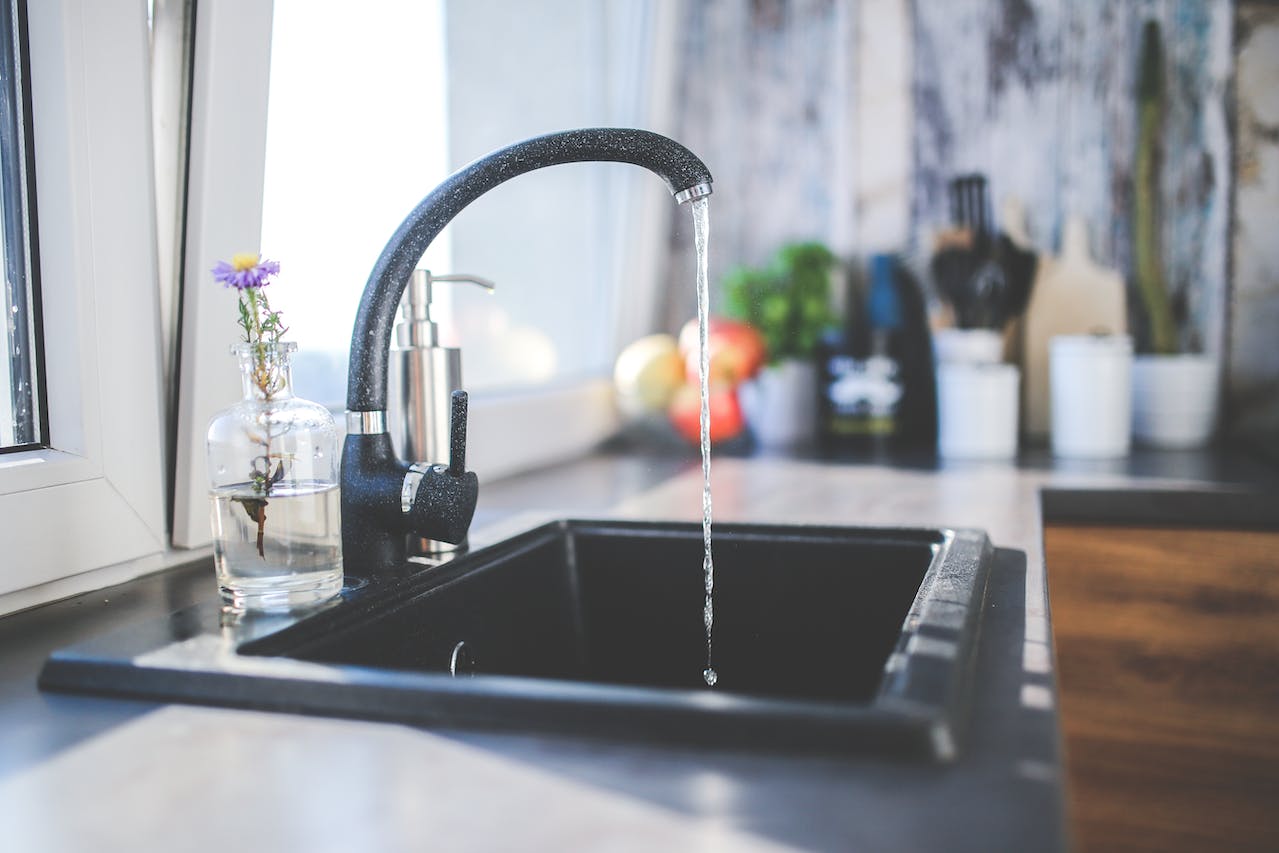
Water filtration addresses taste, odour, and safety concerns. Consider a filter system if you notice:
- Chlorine taste or chemical smell from the tap
- Cloudy or discoloured water
- Metallic or sulphur taste (common with well water)
- Orange or brown staining on sinks and laundry (iron in well water)
- Concern about lead, especially in older Oshawa homes with original plumbing
- A desire to stop buying bottled water
Filtration system costs vary widely:
- Under-sink carbon filter: $150 to $400 installed. Filters one tap.
- Under-sink reverse osmosis: $400 to $800 installed. Removes virtually all contaminants from drinking water.
- Whole-house sediment + carbon system: $800 to $1,800 installed. Treats every tap in the home.
- Whole-house reverse osmosis: $2,500 to $5,000+ installed. Complete whole-home purification.
Filter maintenance is straightforward. Sediment and carbon filters need replacement every 6 to 12 months ($30 to $80 per filter). RO membranes last 2 to 3 years ($80 to $200 per membrane).
Can You Use Both? Combination Systems
Yes — and for many Durham Region homes, a combination system is the best answer. A whole-house water softener handles the hardness, protecting your pipes, hot water tank, and appliances. An under-sink reverse osmosis filter at the kitchen tap handles drinking water quality, removing any remaining chlorine, lead, or dissolved solids.
This two-stage approach costs $1,800 to $3,500 installed and covers both problems without over-engineering either one. It is the most popular setup we install at Hayes Plumbing’s water filtration service.
If you are on a private well in northern Durham — Port Perry, Uxbridge, or Scugog — you may also need a UV disinfection unit to handle bacteria. Well water testing through the Durham Region Health Department will tell you exactly what contaminants are present.
Frequently Asked Questions

Is Durham Region water hard enough to need a softener?
Yes. Durham Region’s municipal water measures 120 to 150 mg/L hardness, which falls in the “moderately hard” to “hard” range. This is enough to cause visible scale on fixtures, reduce the lifespan of hot water tanks, and leave spots on glassware. A water softener will eliminate these issues and extend the life of your plumbing system.
Will a water softener remove chlorine taste?
No. Water softeners only remove hardness minerals (calcium and magnesium). They do not affect chlorine, lead, or other dissolved contaminants. If chlorine taste is your main concern, you need an activated carbon filter. Many homeowners install both — a softener for the whole house and a carbon or RO filter at the kitchen tap for drinking water.
How often do I need to add salt to a water softener?
Most households in Durham Region refill the brine tank every 4 to 8 weeks, using approximately 20 to 40 kg of salt per month. The exact frequency depends on your water usage, hardness level, and softener efficiency. High-efficiency models use less salt and water during regeneration.
Is reverse osmosis water safe to drink long-term?
Yes. Reverse osmosis removes contaminants but also strips some beneficial minerals. Health Canada considers RO water safe for daily consumption. If you prefer to add minerals back, remineralizing filters are available as an add-on stage. Most people get sufficient minerals from food, so remineralization is a preference, not a necessity.
Can a plumber install water treatment systems or do I need a specialist?
A licensed plumber in Oshawa is fully qualified to install water softeners, filtration systems, and combination units. In fact, a plumber is ideal because the installation involves cutting into your main water supply line, adding bypass valves, and connecting drain lines — all standard plumbing work. No separate specialist is needed.
Choosing between a water softener vs water filter comes down to what is in your water and what you want to fix. Contact Hayes Plumbing at (905) 576-3043 or visit our contact page for a free estimate. Serving Oshawa, Whitby, Ajax, Pickering, Clarington, and all of Durham Region.