Last Updated: February 25, 2026 — Reviewed by Brian Hayes, Licensed Master Plumber
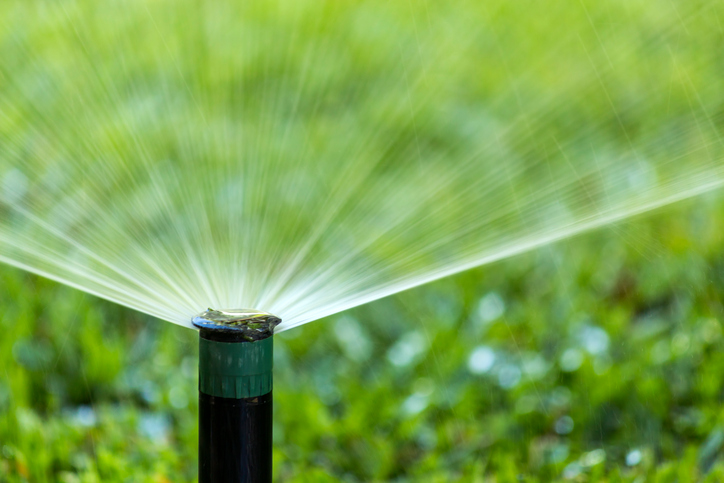
Irrigation for landscapes uses about 50% or more of the amount of water that is provided by most utilities. When irrigation is not maintained properly, it means much of the water allotted for it never reaches its intended destination and may even be watering way below the root zone.
Keeping the irrigation system in top form is among the most efficient ways of reducing water waste and improves the health of plants by applying just the right amount of water exactly where it is needed.
At the very least, you should have your irrigation system checked twice every season. You can do one at the beginning of the season and another hallway through the season. Ideally, it should be inspected every month.
Some people are not sure about how they should go about the maintenance of their irrigation system. Here are some basic steps for you:
- Check the controller. Also, inspect if it’s properly plugged in and functioning well.
- Update the date and time.
- Take a close look at the connection on all of the wirings and ensure that the sensors for the rain, soil moisture, and wind are all connected the right way.
- Have the back-up battery replaced.
- Make sure you change the schedule to match the current season, as well as the irrigation needs of your landscape.
- Turn on every zone and thoroughly look for damages in the system.
Doing proper maintenance work can help avoid these system damages:
CLOGGED NOZZLES
If any debris find its way into your irrigation system, it could easily clog your nozzles. It could be from the usual wear and tear, or it could also be from a dirty water source. To avoid this, you can flush at the beginning of the system, have screens on your sprinkler heads and replace your clogged nozzles.
LEAKING PIPES OR VALVES
These can occur due to weather damage like freezing and thawing, as well as damage from sharp tools, tree roots, and vandalism, among others. If the damage is large, they’d be very obvious. But there could also be smaller leaks that may not be very visible to you and require professional inspection. If there are any leaks from your pipes and valves, you’d have to replace them immediately.
SUNKEN HEADS
It is very common for sprinkler heads to settle in the soil over time. The soil may be packed tight, but when heavy equipment like a lawn mower goes over them the turf is wet, naturally the heads would settle. Additionally, other debris and grass clippings can build up. The head may not be able to clear grass sufficiently and even disturb the spray pattern.
These are just some of the potential problems you could face if you neglect the upkeep of your irrigation system. To avoid them, keep it in its best shape by giving it the attention it deserves.
Additional Resources
Frequently Asked Questions
When should I call a plumber for irrigation?
You should call a licensed plumber for irrigation when the issue persists after basic troubleshooting, involves water pressure changes, or requires access to pipes behind walls. Hayes Plumbing serves Oshawa, Ajax, Whitby, Clarington, and Pickering.
How much does irrigation cost in Durham Region?
The cost of irrigation in Durham Region depends on the complexity of the job and parts required. Hayes Plumbing provides upfront pricing before beginning any work so there are no surprises.
Should I try DIY or hire a professional for irrigation?
While minor issues can sometimes be addressed with DIY methods, irrigation often requires a licensed plumber to ensure the work meets Ontario plumbing code. Hayes Plumbing is fully licensed, WSIB certified, and BBB accredited.
Need help with plumbing repairs or installations? Hayes Plumbing & Bathroom Renovations serves Oshawa, Ajax, Whitby, Clarington, and Pickering. Contact us or call (905) 576-3043 for a free estimate.