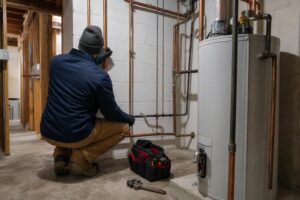
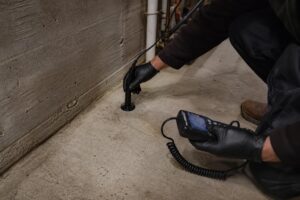
A home buyer plumbing checklist is worth putting together before you close on a house in Durham Region, not after you’ve moved in and found a problem the home inspection didn’t catch. A standard home inspection covers plumbing at a general level, but it isn’t the same as having a plumber look specifically at the systems most likely to cause an expensive surprise down the road.
This guide covers what actually matters when you’re evaluating a home’s plumbing before you buy — the questions worth asking, the signs worth checking for yourself during a showing, and what’s worth a second look from a plumber before you finalize the purchase.
Water Heater Age and Condition
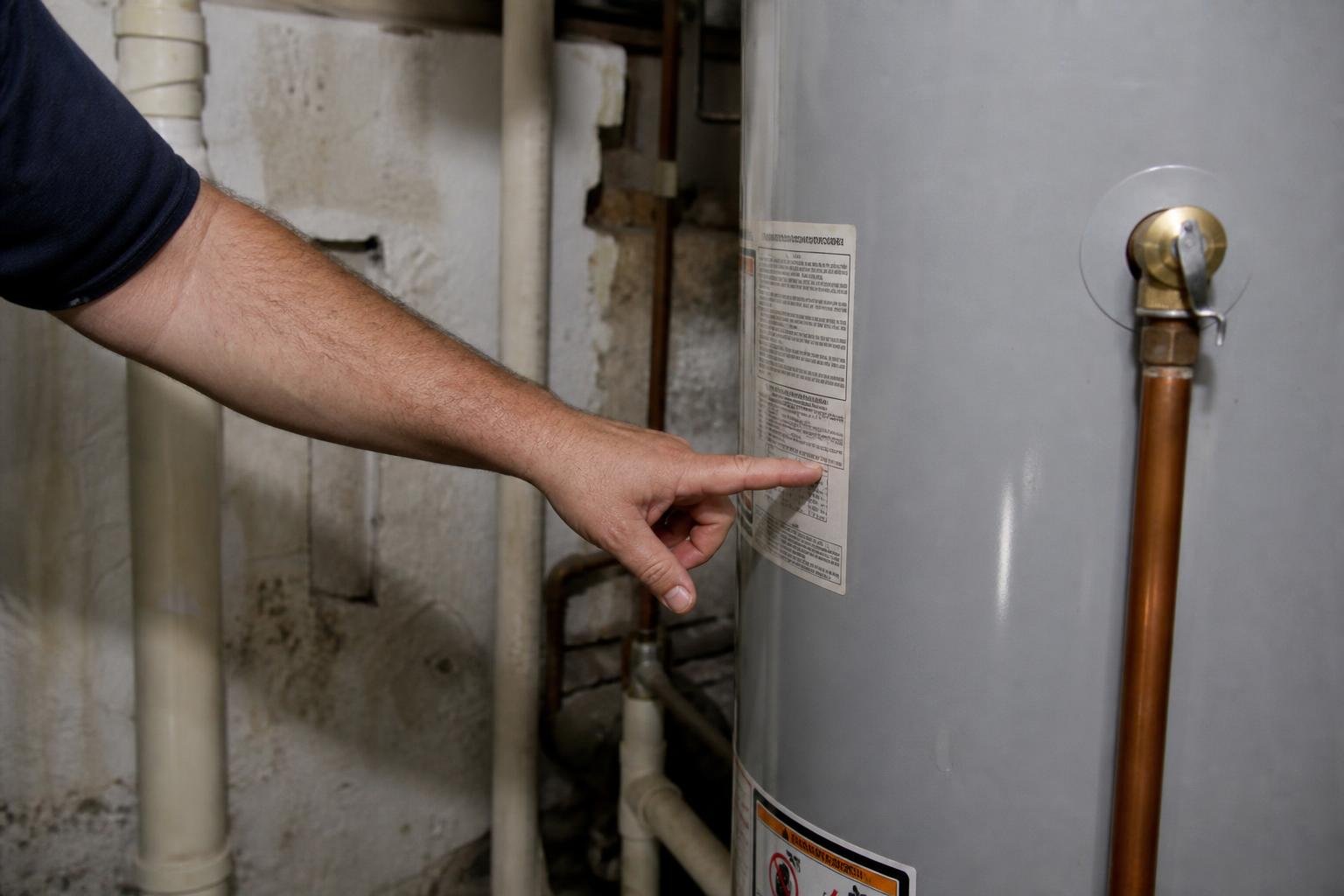
A water heater’s expected lifespan is typically 8-12 years depending on the unit and how well it’s been maintained, and the manufacture date is usually printed on a label on the tank itself along with the serial number. A unit near or past that range isn’t necessarily failing today, but it’s a cost worth factoring into your decision rather than discovering the week after closing. Rust or corrosion around the base, a pilot light that won’t stay lit, or a rumbling sound during heating cycles are all signs of a unit nearing the end of its service life.
Pipe Material Throughout the Home
The type of supply piping running through a home matters more than most buyers realize. Homes built or renovated with copper or PEX piping generally have fewer age-related concerns. Older homes, particularly those built before the 1970s-80s, may still have galvanized steel supply lines, which corrode from the inside over decades and gradually restrict water flow — by the time this shows up as low pressure, the pipe has often been narrowing for years. Some homes from a specific era also used polybutylene piping, a material with a known history of joint failures that’s worth flagging specifically if you spot the grey or blue plastic pipe it’s typically made from. None of these materials mean a home should be avoided, but knowing what’s actually in the walls changes what you should budget for and how soon.
Water Pressure and Drain Flow
Running a couple of fixtures at once during a showing — a shower and a sink, for example — gives a rough sense of whether the home’s water pressure holds up under simultaneous demand, which older or partially restricted piping sometimes can’t do. On the drain side, watching how quickly a sink or tub drains after you run water for a minute can flag a slow drain line issue that a quick visual inspection wouldn’t catch. Neither test replaces a professional evaluation, but both are easy to do yourself during any showing and can tell you whether a closer look is worth requesting.
Signs of Past Water Damage
Water stains on ceilings or in the basement, a musty smell in a specific area, warped flooring near a bathroom or kitchen, or fresh paint in an isolated patch of an older-looking room can all point to a past leak that was patched cosmetically rather than fully resolved. This doesn’t automatically mean an active problem exists, but it’s worth asking directly about repair history and, where there’s any doubt, having a plumber confirm the underlying issue was actually fixed rather than just covered up.
Shutoff Valve Locations and Condition
Knowing where a home’s main water shutoff is located — and confirming it actually turns, since valves that sit unused for years can seize — matters more once you own the home than during the sale itself, but it’s worth checking during a showing anyway. The same goes for individual shutoff valves under sinks and behind toilets; valves that don’t turn smoothly are a small, inexpensive thing to flag now rather than discover during an emergency later.
Evidence of DIY Plumbing Work
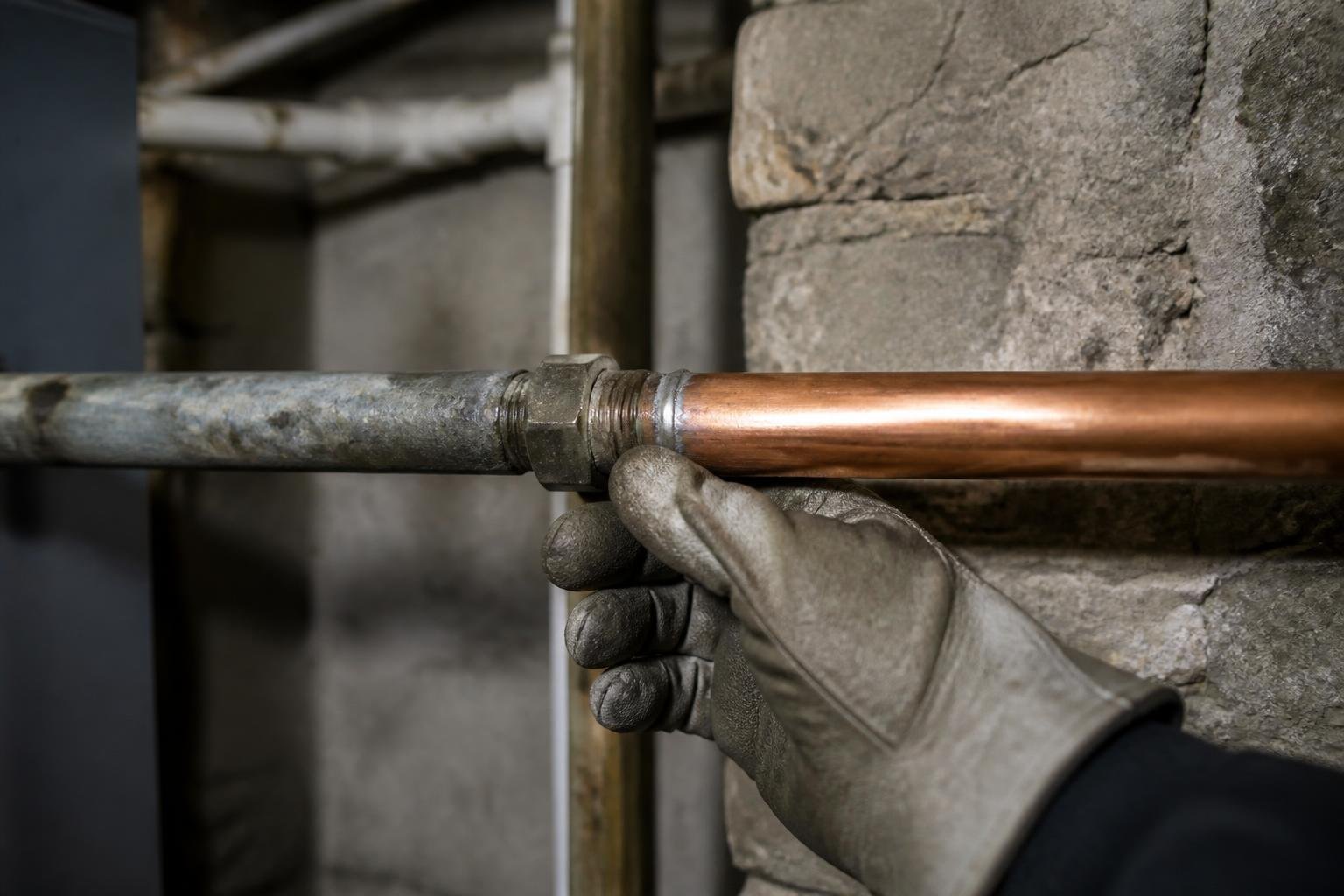
Mismatched pipe materials joined together, visible tape or sealant wrapped around a connection instead of a proper fitting, or fixtures that were clearly installed without a permit for a renovation are all signs of DIY work that may or may not have been done correctly. This isn’t automatically a dealbreaker, but it’s a reasonable prompt to have a plumber verify that any visible non-standard work was actually done to code, particularly around backflow prevention or a full fixture relocation.
Our general plumbing service covers this kind of pre-purchase evaluation, giving you a clear picture of what you’re buying before the deal closes rather than after.
When to Bring in a Plumber Before Closing
A home inspection catches obvious issues, but a dedicated plumbing evaluation makes the most sense when a home is older, has had a major renovation without clear documentation, shows any of the warning signs above, or is simply a large enough purchase that a few hundred dollars for peace of mind is worth it relative to the price of the home. For a straightforward, newer home with no red flags, a standard inspection is often enough — the extra step matters most when something about the house’s plumbing history is unclear. The Canada Mortgage and Housing Corporation publishes general home-buying guidance that covers this same idea at a broader level: the further along a home is in its life, the more value there is in a specialist’s opinion on the systems a standard inspection only checks at a glance.
What This Looks Like in Practice
A pre-purchase plumbing check usually takes under an hour for a typical single-family home and covers the water heater, visible supply and drain piping in the basement or crawlspace, water pressure at a couple of fixtures, and the condition of shutoff valves. The plumber doing the check isn’t there to fail or pass the house the way a home inspector might frame their report — the goal is a clear picture of what’s aging, what’s already been replaced, and what’s worth negotiating on or budgeting for after closing. That distinction matters when you’re deciding whether to ask the seller for a credit, request a repair before closing, or simply factor a future replacement into your own plans. Bringing a plumber in during the conditional period of an offer, rather than after firm closing, also gives you room to actually act on what’s found instead of discovering it after the deal is done.
Frequently Asked Questions
Does a standard home inspection cover plumbing thoroughly enough?
A general home inspection checks that fixtures function and looks for obvious issues, but it typically isn’t as detailed as a plumber’s evaluation of pipe material, water heater condition, or evidence of past repairs. For an older home or one with unclear renovation history, a separate plumbing check is worth considering.
How can I tell what type of pipes a home has without opening walls?
Visible sections in a basement, crawlspace, or under sinks usually show the material — copper is a dull orange-brown metal, PEX is flexible colored plastic, galvanized steel is a dull grey metal, and polybutylene is typically grey or blue flexible plastic. A plumber can confirm what’s visible and flag anything that needs a closer look.
Is an older water heater a reason to walk away from a home purchase?
Not usually on its own. It’s a cost to factor into your offer or budget for shortly after closing, not typically a dealbreaker by itself unless it’s paired with other significant plumbing concerns.
What’s the biggest plumbing red flag during a home showing?
Signs of past water damage that don’t have a clear, verified repair history — stains, warped flooring, or a patched section of ceiling or wall — are worth asking about directly, since a cosmetic fix over an unresolved leak is more costly to discover later than before you buy.
Do you offer pre-purchase plumbing evaluations in Durham Region?
Yes. We evaluate a home’s plumbing before purchase across Ajax, Whitby, Oshawa, Clarington, and Pickering, covering water heater condition, pipe material, and signs of past repairs.
Call Hayes Plumbing
If you’re buying a home in Durham Region and want a plumber’s evaluation before you close, call Hayes Plumbing & Bathroom Renovations at (905) 576-3043 or use the contact page to book a pre-purchase check.