slab leak detection Durham Region searches usually start after something doesn’t add up — a water bill that jumped for no obvious reason, a warm patch on an otherwise cool basement floor, or a faint sound of running water when every fixture in the house is off. A slab leak, where a water supply line leaks underneath a home’s concrete foundation, almost never announces itself with a visible puddle the way a burst pipe under a sink does, which is exactly why it tends to go unnoticed until the damage has already spread.
This guide covers what a slab leak actually is, the signs that point to one, how it gets confirmed, and what repair generally involves once it’s found.
What a Slab Leak Actually Is
Most homes built on a concrete slab foundation have water supply lines running either through or directly beneath that slab. Over time, those lines can develop a leak from corrosion, ground shifting slightly under the foundation, or simple wear at a joint — and because the line sits under a layer of concrete, the water has nowhere obvious to go. Instead of pooling somewhere visible, it soaks into the surrounding soil or seeps slowly up through hairline cracks in the concrete, which is why the first sign is often indirect rather than a puddle on the floor.
Signs That Point to a Slab Leak
A handful of signs show up often enough to be worth taking seriously together, even though any one on its own could have another explanation. A water bill that rises noticeably without a clear reason — no new appliance, no obvious change in household water use — is one of the most reliable indicators, since a slab leak runs continuously rather than only during use. A warm spot on the floor, particularly if the leak is on the hot water line, is another strong sign, since heat from the leaking water transfers up through the concrete. The sound of running water audible when every tap and appliance in the house is off is worth investigating immediately rather than assuming it’s plumbing noise from somewhere else. Less obvious signs include a persistent musty or mildew smell with no visible source, unexplained damp carpet or flooring near an exterior wall, and, in more advanced cases, visible cracks in the slab or flooring that weren’t there before.
Why Slab Leaks Are Harder to Catch Than Other Leaks
A leak under a sink or behind a washing machine shows itself quickly because there’s a visible surface nearby for water to collect on. A slab leak has concrete and soil absorbing the water instead, which can hide a meaningful leak for weeks or months before enough water surfaces to be obvious. That delay is also what makes slab leaks more expensive to ignore than most other plumbing issues — the water isn’t just wasted, it’s actively saturating the ground under the foundation and can eventually affect flooring, drywall, and in serious cases the structural integrity of the slab itself.
How a Slab Leak Gets Confirmed
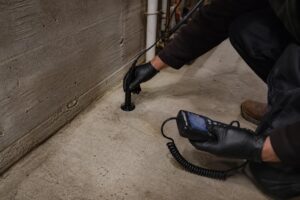
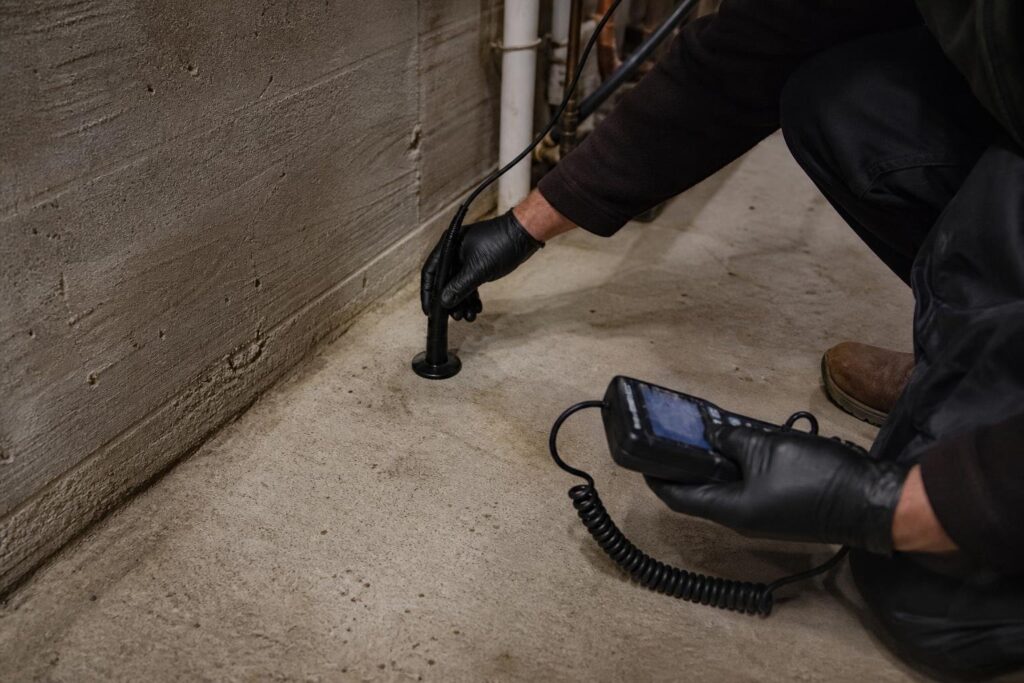
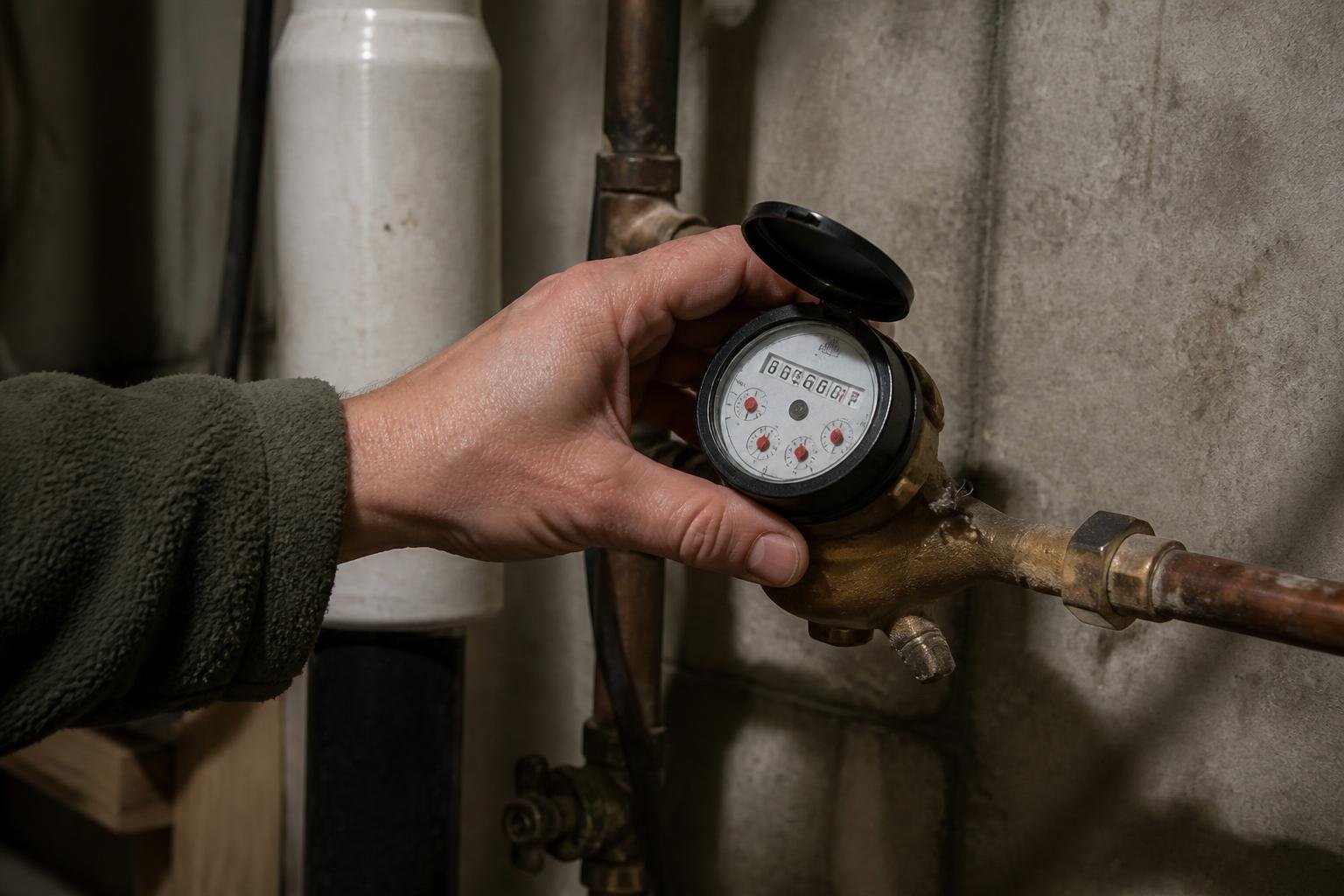
The first step is usually a water meter test: shut off every fixture and water-using appliance in the house, note the meter reading, wait without using any water for a set period, then check the meter again. If it’s moved with nothing running, there’s a leak somewhere in the system — though this test alone doesn’t confirm the leak is under the slab specifically rather than elsewhere in the supply lines. From there, isolating whether the leak is on the hot or cold line, checking water heater cycling patterns, and, when needed, using specialized leak-detection equipment narrows down the location before any concrete gets opened. This diagnostic step matters because cutting into a slab in the wrong spot adds cost and repair time without solving the actual problem.
Our leak detection and repair service covers this kind of diagnosis — confirming whether a leak exists, narrowing down its likely location, and outlining what repair actually involves before any work starts.
What Repair Generally Involves
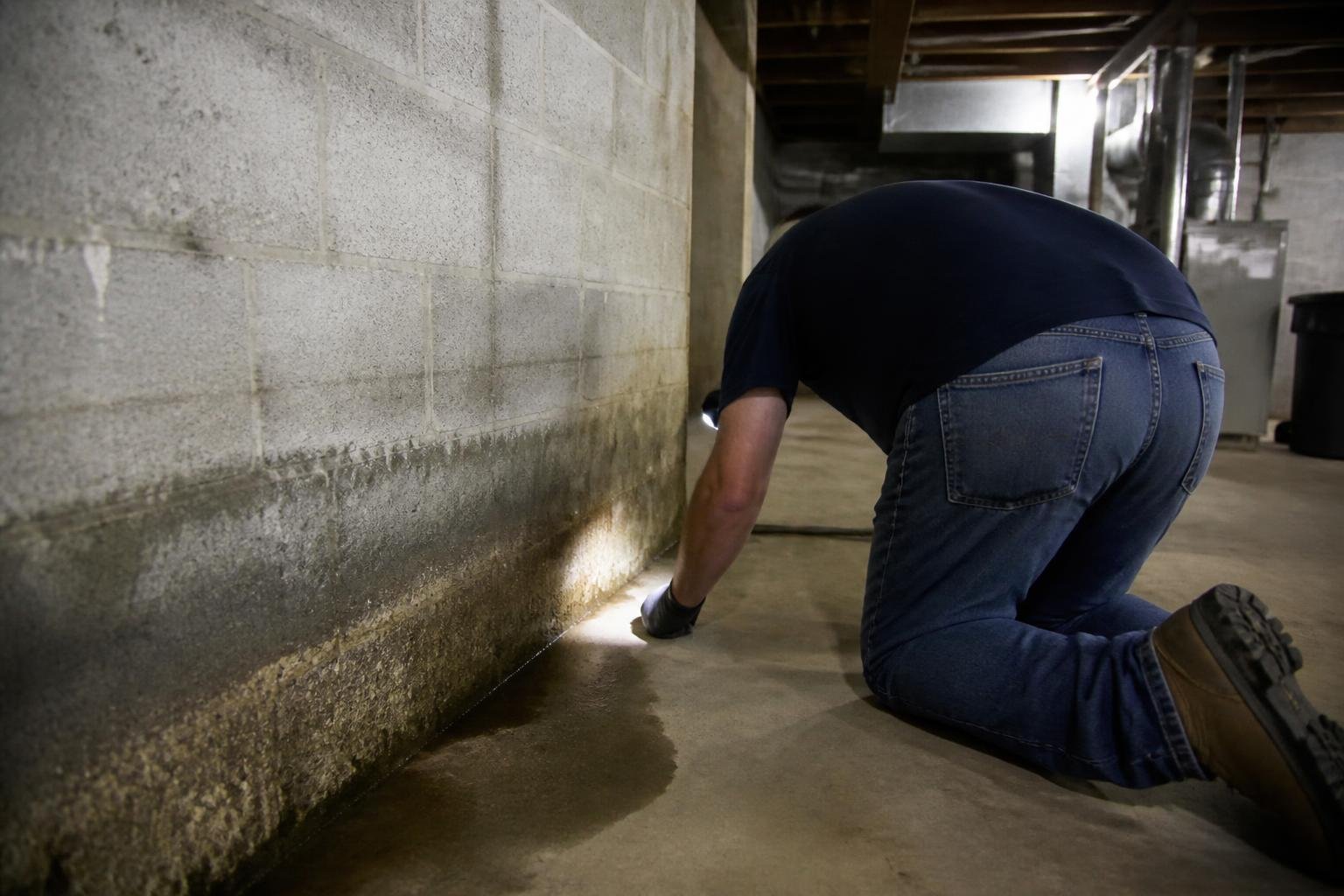
Once a slab leak is confirmed and located, the repair approach depends on where the leak sits and how accessible it is. In some cases, a section of pipe can be accessed and repaired directly through a targeted opening in the slab. In others, particularly when the leak is in a hard-to-reach spot or the supply line has aged to the point where more failures are likely, rerouting the water line above the slab — through walls or the attic instead of under the foundation — avoids future slab work entirely. Which approach makes sense depends on the specific plumbing layout, the age of the home’s supply lines, and how many other lines run through the same section of slab, which is why the diagnostic step comes before any decision on repair method.
What to Do If You Suspect a Slab Leak
If the water meter test suggests a leak and you notice a warm spot, sound of running water, or unexplained dampness, the next step is a professional assessment rather than waiting to see if it gets worse — slab leaks don’t resolve on their own, and the longer one runs, the more it costs in both wasted water and potential damage to flooring and the slab itself. Shutting off the main water supply between now and the assessment isn’t always practical for a home that still needs running water, but isolating the affected line where possible limits the water loss until a proper diagnosis narrows down the exact next step.
Frequently Asked Questions
How do I know if my high water bill is from a slab leak?
A water meter test — shutting off every fixture and appliance, then checking whether the meter still moves — is the first step to confirm a leak exists somewhere in the system. From there, warm floor spots, running-water sounds, or dampness near an exterior wall help point toward a slab leak specifically.
Can a slab leak damage my home’s foundation?
Over time, yes. Water continuously saturating the soil under a slab can affect the ground supporting the foundation, and in serious cases lead to cracking in the slab itself. Water damage from an undetected leak is also one of the more common categories of residential claims tracked by insurers, which is part of why groups like the Insurance Bureau of Canada encourage homeowners to catch leaks early rather than after damage has already spread through flooring or drywall.
Will my whole slab need to be cut open to fix a leak?
Not necessarily. Depending on where the leak is and how the home’s supply lines are laid out, a targeted repair or a reroute above the slab can often avoid extensive concrete work. That decision follows the diagnostic step, not the other way around.
How long can a slab leak run before it’s a serious problem?
There’s no fixed timeline — it depends on the leak’s size and location — but because slab leaks run continuously rather than only during water use, even a small one adds up in wasted water and gradual soil saturation over weeks or months if it isn’t addressed.
Do you handle slab leak detection in Durham Region?
Yes. We assess suspected slab leaks and confirm both whether one exists and where it’s likely located across Ajax, Whitby, Oshawa, Clarington, and Pickering.
Call Hayes Plumbing
If your water bill has jumped without explanation or you’ve noticed a warm spot on the floor or the sound of running water with everything off, call Hayes Plumbing & Bathroom Renovations at (905) 576-3043 or use the contact page to book an assessment. Catching a slab leak early keeps a plumbing problem from becoming a foundation problem.