A plumbing emergency can happen at any time — a burst pipe at 2 a.m., a sewer backup during a holiday dinner, or a sudden leak flooding your basement. What you do in the first 10 minutes makes a real difference in how much damage your home sustains. This plumbing emergency checklist for Oshawa homeowners gives you a clear, step-by-step plan to follow before the plumber arrives. Hayes Plumbing offers 24/7 emergency plumbing service across Durham Region, and our team has seen every type of plumbing crisis over 45 years.
Your Step-by-Step Plumbing Emergency Checklist
When water is gushing or sewage is backing up, you need to act fast. Follow these steps in order:
Step 1: Shut Off the Water Main
This is the single most important action you can take. Shutting off the main water supply stops the flow of water into your home and limits damage immediately.
- Where to find it: In most Oshawa homes, the main shut-off valve is in the basement, near the front wall where the water line enters from the street. It is usually a round gate valve (turn clockwise to close) or a ball valve (turn the lever 90 degrees to close).
- Mark it now: If you have not already, locate your shut-off valve today and mark it with a bright tag or label. In an emergency, you do not want to be searching for it in a flooded basement.
- If it is stuck: Gate valves that have not been turned in years can seize. Do not force it with pliers — you may break the valve. Try gentle back-and-forth turns. If it will not budge, call for emergency service.
Step 2: Turn Off Your Hot Water Tank
Once the water supply is shut off, turn off your hot water tank to prevent it from overheating or being damaged while the tank runs dry.
- Gas unit: Turn the gas control knob to the “off” or “pilot” position.
- Electric unit: Switch off the breaker labelled for the hot water tank in your electrical panel.
Step 3: Address Electrical Hazards Near Water
Water and electricity are a deadly combination. If standing water is near any electrical outlet, appliance, or your electrical panel:
- Do not step in the water or touch anything electrical.
- If you can safely reach your electrical panel without standing in water, shut off breakers for the affected area.
- If water is near or touching your electrical panel, call 911 immediately. Do not attempt to shut it off yourself.
Step 4: Contain the Water
While you wait for the plumber, minimize spreading:
- Place towels, buckets, or bins under active drips and leaks.
- Use a wet/dry shop vacuum to remove standing water if you have one.
- Move furniture, electronics, and valuables away from the water.
- Open a tap at the lowest point in your home (such as a basement laundry tub) to drain remaining water from the pipes after the main is shut off.
Step 5: Document the Damage
Before you start cleaning up, take photos and video of the damage. Your insurance company will need this documentation for any claim. Capture:
- The source of the leak or backup (if visible)
- Water levels and affected areas
- Damaged belongings, flooring, and walls
- Time-stamped photos (most phone cameras do this automatically)
Step 6: Call Your Plumber
With the water stopped and damage contained, call a licensed emergency plumber. When you call Hayes Plumbing at (905) 576-3043, be ready to describe:
- What happened and when it started
- Where the water is coming from (pipe, drain, toilet, ceiling)
- Whether you have shut off the water main
- Whether there are any gas or electrical concerns
Common Plumbing Emergencies and What to Do
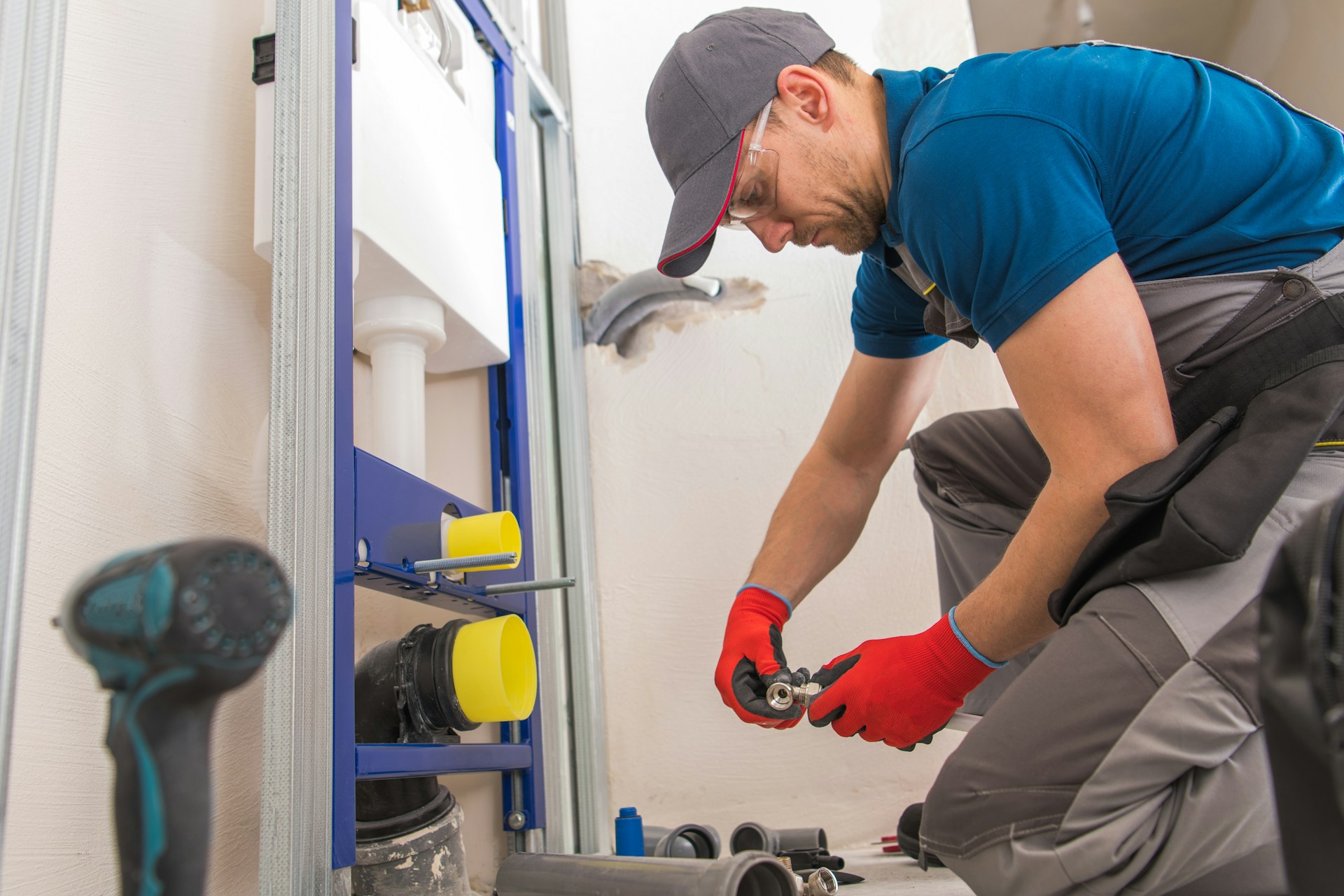
Different emergencies require slightly different responses. Here is how to handle the most common ones:
Burst or Frozen Pipes
Oshawa winters bring temperatures well below -20°C, and burst pipes are one of the most common cold-weather emergencies in Durham Region.
- Shut off the water main immediately.
- If a pipe has frozen but not burst yet, do not use a blowtorch or open flame to thaw it. Use a hair dryer, heat lamp, or wrap the pipe with hot towels.
- Open the tap that the frozen pipe feeds to relieve pressure as it thaws.
- Our leak detection and repair team can locate hidden leaks behind walls and under floors.
Sewer Backup
- Do not use any drains, toilets, or taps in the home.
- Do not attempt to clean up raw sewage without protective equipment (gloves, mask, boots). Sewage contains harmful bacteria and pathogens.
- If sewage is extensive, ventilate the area by opening windows (if weather permits) and running fans.
- Contact your insurance company promptly — sewer backup coverage is a separate endorsement on most Ontario home policies.
Gas Leak
If you smell rotten eggs (the odorant added to natural gas) near your hot water tank, furnace, or gas line:
- Do not turn on or off any lights or electrical switches. A spark can ignite gas.
- Leave the home immediately and take everyone (including pets) with you.
- Call 911 from outside, then call Enbridge Gas at 1-866-763-5427.
- Do not re-enter the home until emergency services clear it.
Overflowing Toilet
- Remove the tank lid and push the flapper valve down to stop water entering the bowl.
- Turn the shut-off valve behind the toilet clockwise to close it.
- Do not flush again — this will add more water to the overflow.
- If the overflow contains sewage, treat it as a sewer backup (see above).
What NOT to Do During a Plumbing Emergency

In the stress of the moment, some common reactions actually make things worse:
- Do not ignore a small leak. A slow drip behind a wall can cause thousands of dollars in mould and structural damage if left overnight.
- Do not use chemical drain cleaners on a backed-up drain. These products can damage pipes, create toxic fumes, and make the problem harder for your plumber to fix.
- Do not try to repair a gas line yourself. Gas work in Ontario must be done by a TSSA-licensed technician. Improper repairs risk carbon monoxide poisoning and explosion.
- Do not wait until morning. Water damage compounds by the hour. Mould can begin growing within 24–48 hours on wet drywall and carpet. Calling for emergency service at 2 a.m. is always better than discovering catastrophic damage at 7 a.m.
When to Call 911 vs Your Plumber
Most plumbing emergencies are handled by your plumber, not emergency services. But there are situations where 911 is the right call:
| Call 911 | Call Your Plumber |
|---|---|
| Gas leak or smell of gas | Burst pipe (after shutting off water main) |
| Water contacting your electrical panel | Sewer backup |
| Structural collapse from water damage | Overflowing toilet or drain |
| Flooding threatening exit routes | No hot water |
| Carbon monoxide alarm sounding | Frozen pipes |
Hayes Plumbing is available 24 hours a day, 7 days a week for plumbing emergencies across Oshawa, Whitby, Ajax, Pickering, Clarington, and all of Durham Region. When you call after hours, you reach a real person — not a voicemail.
Frequently Asked Questions

How fast can an emergency plumber get to my Oshawa home?
Hayes Plumbing responds to emergency calls in Oshawa and surrounding Durham Region communities within 60–90 minutes in most cases. Our service vehicles are stocked with common parts and equipment so we can begin repairs on the first visit.
Does emergency plumbing service cost more than regular service?
After-hours and emergency calls typically involve a service call fee in addition to standard repair costs. However, the cost of emergency service is almost always less than the cost of additional water damage from waiting until morning. We provide upfront pricing before starting any work.
Should I turn off my water main when I leave for vacation?
Yes. This is one of the simplest ways to prevent a plumbing disaster while you are away. A burst pipe in an empty home can run for days or weeks, causing catastrophic damage. Shut off the main, open a tap to relieve residual pressure, and set your thermostat to at least 12°C to prevent pipe freezing.
What should I keep in a plumbing emergency kit?
Keep these items accessible: a pipe wrench, adjustable pliers, plumber’s tape (Teflon tape), a bucket, old towels, a flashlight, and the phone number of your plumber. Knowing where your water main shut-off valve is located is more important than any tool.
Will my homeowner’s insurance cover a plumbing emergency?
Most standard policies cover sudden and accidental water damage (such as a burst pipe), but they typically do not cover damage from gradual leaks, lack of maintenance, or sewer backup unless you have a specific sewer backup endorsement. Contact your insurer to review your coverage before an emergency happens.
Save this plumbing emergency checklist for Oshawa homeowners and share it with your family so everyone knows what to do when a crisis hits. Contact Hayes Plumbing at (905) 576-3043 or visit our contact page for a free estimate. Serving Oshawa, Whitby, Ajax, Pickering, Clarington, and all of Durham Region.