Last Updated: September 10, 2026 — Reviewed by Brian Hayes, Licensed Master Plumber
Bathroom exhaust fan moisture warning signs are easy to dismiss because they build slowly. A mirror that stays foggy a little longer each month, a faint ring on the ceiling around the fan grille, paint that starts to bubble near the shower — none of these feel urgent on their own. Together, they usually mean the bathroom is holding more moisture than the fan can remove, and in Oshawa, Whitby, Ajax, Pickering, Clarington, and the rest of Durham Region, that trapped humidity quietly damages drywall, trim, caulking, and the plumbing fixtures behind them.
This guide walks through the warning signs worth taking seriously, what typically causes them, and how to tell the difference between everyday condensation and a real plumbing leak. It also covers when the fix is a simple cleaning, when the fan or ducting needs attention, and when it is time to call Hayes Plumbing & Bathroom Renovations.
Why the Exhaust Fan Matters More Than It Seems
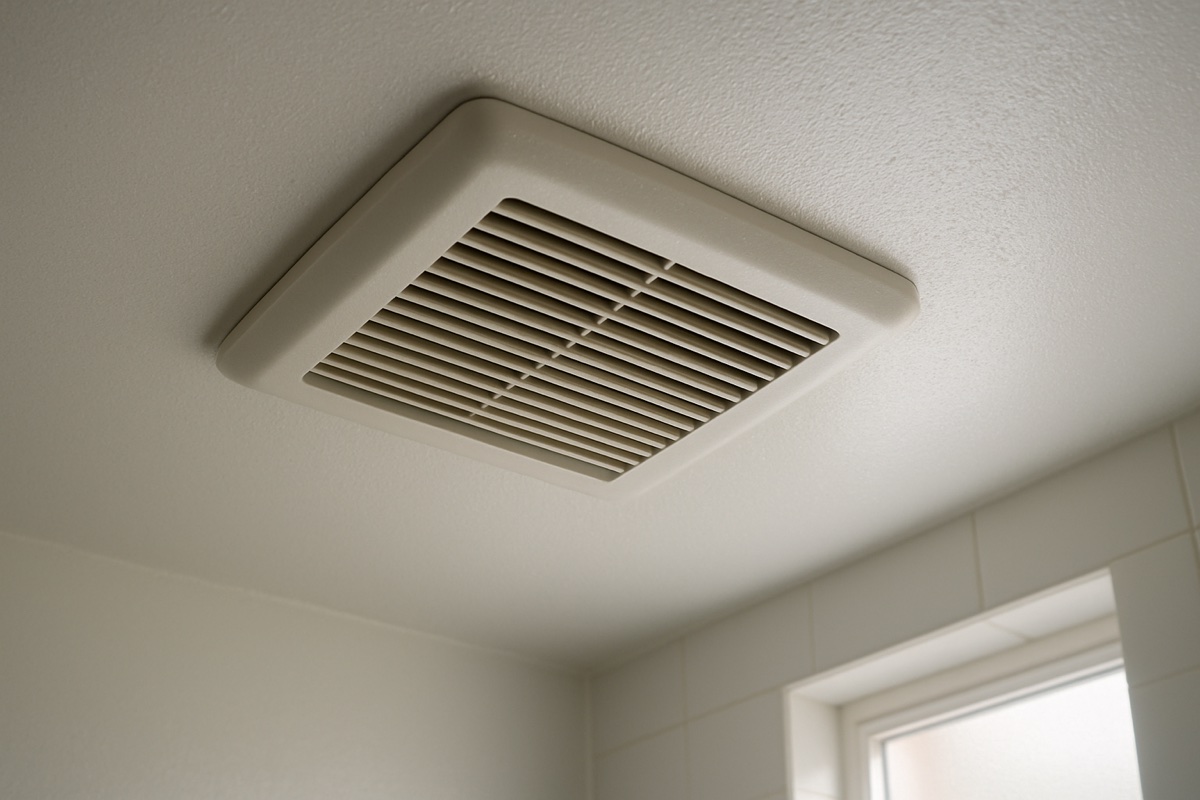
A single hot shower can release a surprising amount of water vapour into a small room. The exhaust fan is the only mechanical system pulling that vapour outside before it settles on cool surfaces. When the fan is undersized, clogged, or venting poorly, the moisture has nowhere to go. It condenses on mirrors, windows, the toilet tank, and cold water supply lines, then soaks into grout, caulking, painted drywall, and the wood framing behind tile.
That matters for plumbing as much as for finishes. Persistent damp air keeps seals and caulk lines wet, which hides slow drips around a tub surround, shower valve, or sink base. A bathroom that dries out properly after each shower makes a genuine leak stand out quickly. A bathroom that stays damp lets small plumbing problems blend into the background for months.
Moisture Warning Signs to Watch For
Most failing or overwhelmed exhaust fans announce themselves with a familiar set of symptoms. Check for these the next time the bathroom is in regular use:
- Mirrors and windows that stay fogged for more than ten to fifteen minutes after a shower, even with the fan running.
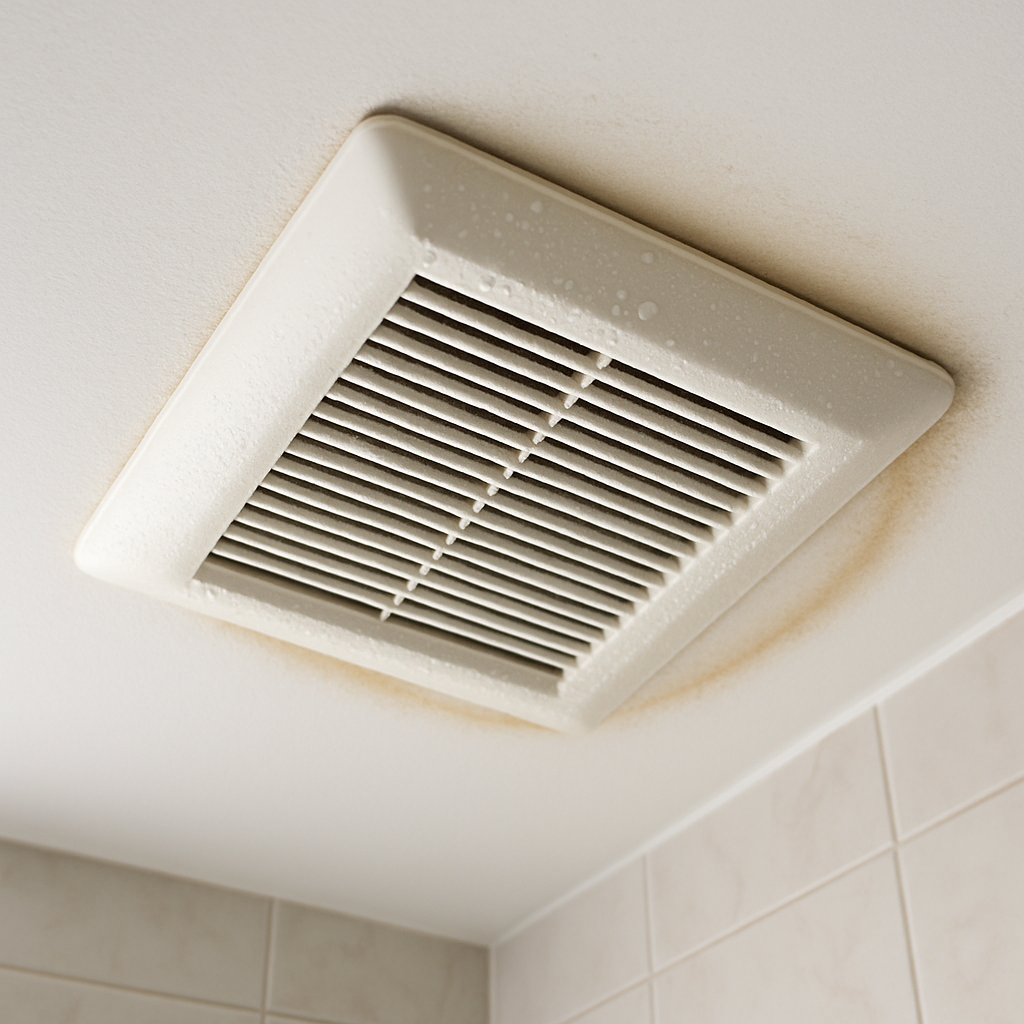
- Condensation dripping from the fan grille itself — a strong sign that warm, moist air is condensing inside the housing or duct instead of leaving the house.
- Rust streaks or discolouration on the grille, which mean the fan hardware has been wet repeatedly.
- A yellow or brown ceiling stain around the fan, often from condensation forming in a cold or disconnected duct and dripping back down.
- Peeling paint, lifting wallpaper, or swollen trim near the shower or above the tub.
- A musty smell that never fully clears, or dark spots appearing on the ceiling, grout lines, or window sills.
- A bathroom door or vanity drawer that sticks in humid months and frees up in winter — wood absorbing excess moisture.
Any one of these is worth a closer look. Two or more usually mean the room’s ventilation is losing the battle, and the moisture is finding its way into materials that are expensive to replace.
What Usually Causes These Warning Signs
The fan itself is only part of the system. When Hayes Plumbing & Bathroom Renovations opens up a bathroom during a renovation, these are the most common problems behind chronic moisture:
A tired or undersized fan. Fans lose airflow as motors age and bearings wear. Many older Oshawa and Durham Region homes also have builder-grade fans that were barely adequate when new, and are no match for a modern walk-in shower used by a busy family.
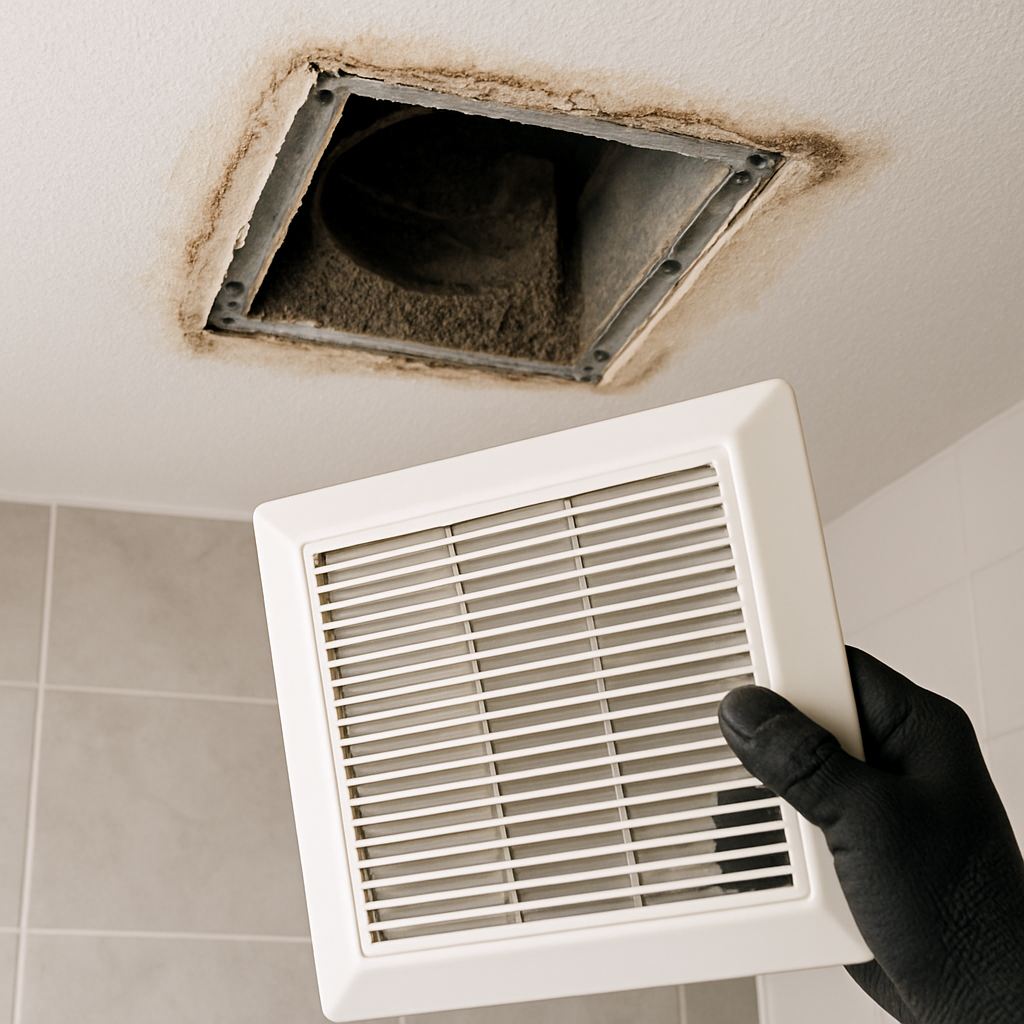
A clogged grille or duct. Dust and lint build up on the grille and inside the duct, and airflow can drop dramatically. If a tissue held against the grille will not stay put with the fan running, the fan is moving very little air.
Ducting problems you cannot see. Kinked flex duct, long runs with sagging low spots, a crushed section above the ceiling, or a duct that was never connected properly will all trap moist air. Warm vapour cools inside the duct, condenses, and drips back toward the fan housing — which is where those ceiling stains come from.
Venting into the attic instead of outside. This shortcut still turns up in older homes and quick renovations. It moves the moisture problem from the bathroom into the attic, where it can wet insulation and framing for years before anyone notices.
Short run times. Even a healthy fan needs to run during the shower and for twenty to thirty minutes afterward. Switching it off as you leave the room leaves most of the moisture behind. A timer switch or humidity-sensing fan solves this without anyone having to remember.
Condensation or a Plumbing Leak? How to Tell
This is the question that matters most, because the two problems have very different fixes. Condensation shows up on cool surfaces — mirrors, the toilet tank, exposed supply lines — shortly after a hot shower, then clears as the room dries out. It appears everywhere at once and fades everywhere at once.
A plumbing leak behaves differently. Damp spots return in the same place, spread over time, or stain even when the room is dry and the fan has been running. A ceiling stain directly below an upstairs bathroom, a soft spot in flooring beside the tub, or a musty smell inside the vanity cabinet points toward a leaking valve, drain, or supply connection rather than humid air.
The timing test helps too. Run the fan, skip showers for a day, and keep the room dry. If a stain keeps growing or a surface stays damp, water is arriving from somewhere other than the air — and that is a plumbing call, not a ventilation tweak.
What You Can Check Before Booking Service
A few safe checks will make any service visit faster and more useful:
- The tissue test: Hold a single square of toilet paper against the running fan grille. It should stick firmly. If it flutters or falls, airflow is weak.
- Clean the grille: Pop the cover off and clear the dust. If symptoms improve noticeably, the duct likely needs attention too.
- Watch the drying time: Note how long the mirror stays fogged after a normal shower with the fan running. More than fifteen minutes suggests the fan is not keeping up.
- Look and note, don’t open: Photograph any stains, peeling paint, or damp spots and note when they appear — after showers, after rain, or at random. Do not cut into the ceiling or wall to investigate.
If moisture has already stained the ceiling or you suspect water inside a wall, stop at photos and notes. Opening things up without knowing whether you are chasing condensation, a duct problem, or a live leak usually makes the repair bigger.
For background on why indoor humidity control matters for a healthy home, Health Canada’s guidance on moisture and mould is a useful reference — then rely on a local professional to inspect the actual room.
How Hayes Plumbing Can Help
Hayes Plumbing & Bathroom Renovations sees the whole picture in one visit: the ventilation, the fixtures, and the plumbing behind them. The team can confirm whether lingering moisture is condensation or a hidden leak, pressure-test suspect connections, and check the areas most likely to be affected — tub surrounds, shower valves, toilet seals, and vanity plumbing.
If the bathroom is due for an update, a renovation is the ideal time to fix ventilation properly. That can mean a quieter, higher-capacity fan, a humidity-sensing switch, smooth rigid ducting routed to an outside wall or roof cap, and moisture-resistant materials in the wet zones. Start with Bathroom Renovations to see how those projects come together, or review General Plumbing if the symptoms point to a leak or drain issue instead.
When you contact the team, share photos if possible — a wide shot of the room, a close-up of the fan grille or stain, and a note about when the moisture appears. That helps the office prepare the right parts and the right amount of time before anyone arrives.
Frequently Asked Questions
How long should a bathroom exhaust fan run after a shower?
Twenty to thirty minutes is a good rule. The fan needs time to clear the moisture that showers leave behind, not just the steam you can see. A timer switch or humidity-sensing fan handles this automatically.
Why is water dripping from my exhaust fan?
Warm, moist air is condensing inside a cold or poorly routed duct and running back down. Common causes are a disconnected or uninsulated duct, a long sagging duct run, or a fan venting into the attic. It deserves attention promptly, because that water is landing on drywall and the fan’s electrical parts.
Can a weak exhaust fan really cause plumbing problems?
Not directly, but it hides them. Persistent damp air keeps caulking, grout, and fixture seals wet, so a slow drip around a tub surround, shower valve, or sink base blends in with everyday condensation instead of standing out. Fixing ventilation makes real leaks visible sooner.
How can I tell fan-related condensation from an actual leak?
Condensation shows up on cool surfaces like mirrors, the toilet tank, and supply lines shortly after a hot shower, then clears as the room dries out. A true leak leaves damp spots that keep returning, spread, or stain even when the room is dry and the fan has been running for a while.
Does Hayes Plumbing serve areas outside Oshawa?
Yes. Hayes Plumbing serves Oshawa and nearby Durham Region communities including Whitby, Ajax, Pickering, and Clarington.
For an older bathroom that still stays damp, see our guide to keeping an older bathroom dry.
Call Hayes Plumbing
If your bathroom is showing moisture warning signs — lingering fog, ceiling stains, peeling paint, or damp spots that keep coming back — call Hayes Plumbing & Bathroom Renovations at (905) 576-3043 or use the contact page to schedule a visit. The team can confirm whether you are dealing with condensation, a ventilation problem, or a hidden leak, and fix it before it spreads into finished materials.