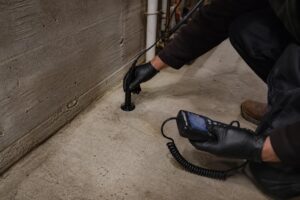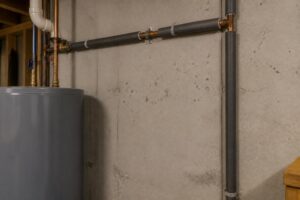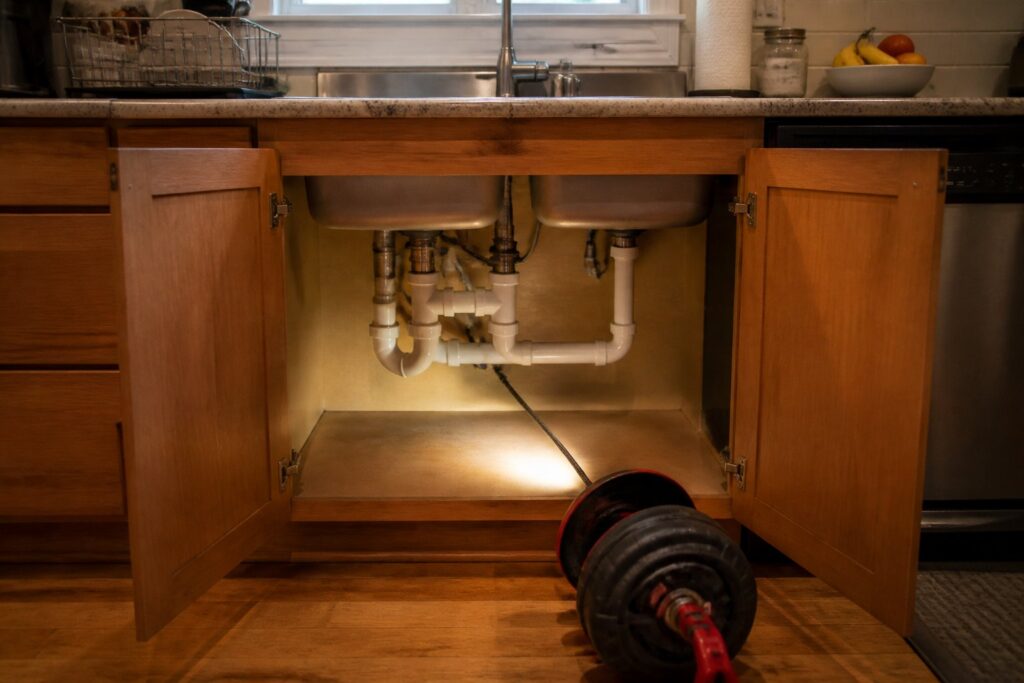
A fall drain maintenance checklist is worth going through every year before the weather turns in Oshawa, because most drain emergencies we get called out for this time of year were preventable. A slow kitchen sink in August becomes a backed-up line in November once cold weather, holiday cooking, and wet leaves all add extra load to the same pipes. Working through a short checklist now, while the ground is still warm and the schedule is still flexible, is the easiest way to avoid an emergency call later.
We put this guide together the way we’d walk a homeowner through it in person: what actually causes fall drain problems, what you can safely check yourself, and when it makes more sense to have a licensed plumber take a proper look before winter locks everything up.
Why Drains Struggle More in the Fall
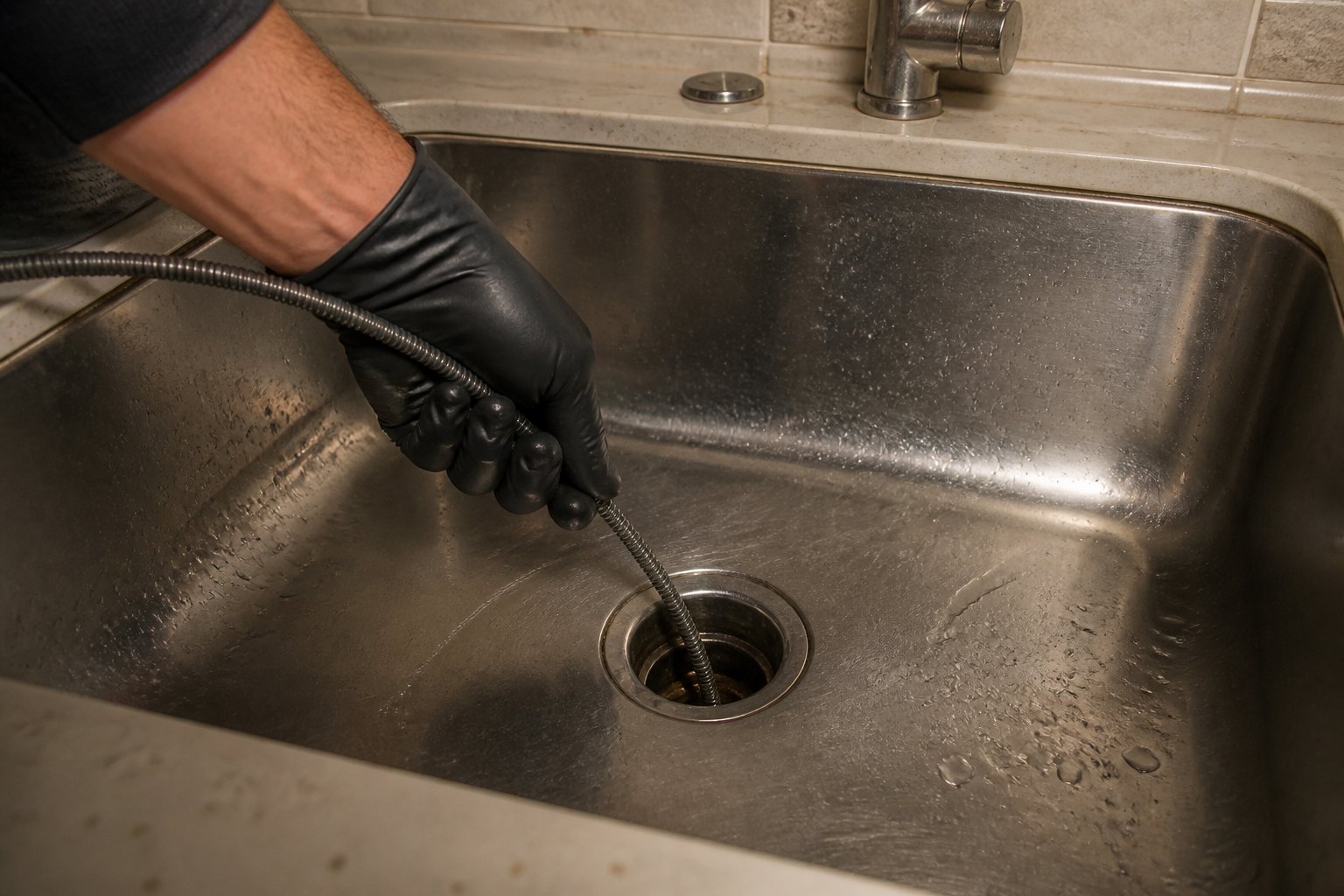
Drain lines don’t fail overnight. They narrow gradually as grease, soap scum, hair, and mineral buildup coat the inside of the pipe, and every season adds its own contribution. Fall brings three things at once: falling leaves and yard debris that can clog exterior drains and downspouts, more cooking (and more grease) as everyone starts making soups and roasts again, and the first hard frosts that make any existing slow drain far more likely to freeze and back up completely.
A drain that was “a little slow” in the summer often becomes a real problem once the ground cools, simply because there’s less margin left in the pipe. Catching that narrowing now, before the first freeze, is what keeps a small maintenance visit from turning into an emergency one.
What to Check Before the Weather Turns
You don’t need special tools to do a useful first pass. Walk through the home and yard and note anything on this list that applies:
- Kitchen sink speed: Does water pool for more than a second or two before draining, or gurgle as it goes down?
- Bathroom drains: Are tub, shower, or bathroom sink drains noticeably slower than they were in the spring?
- Floor drains and sump areas: Are basement floor drains clear, or is there standing water or a musty smell nearby?
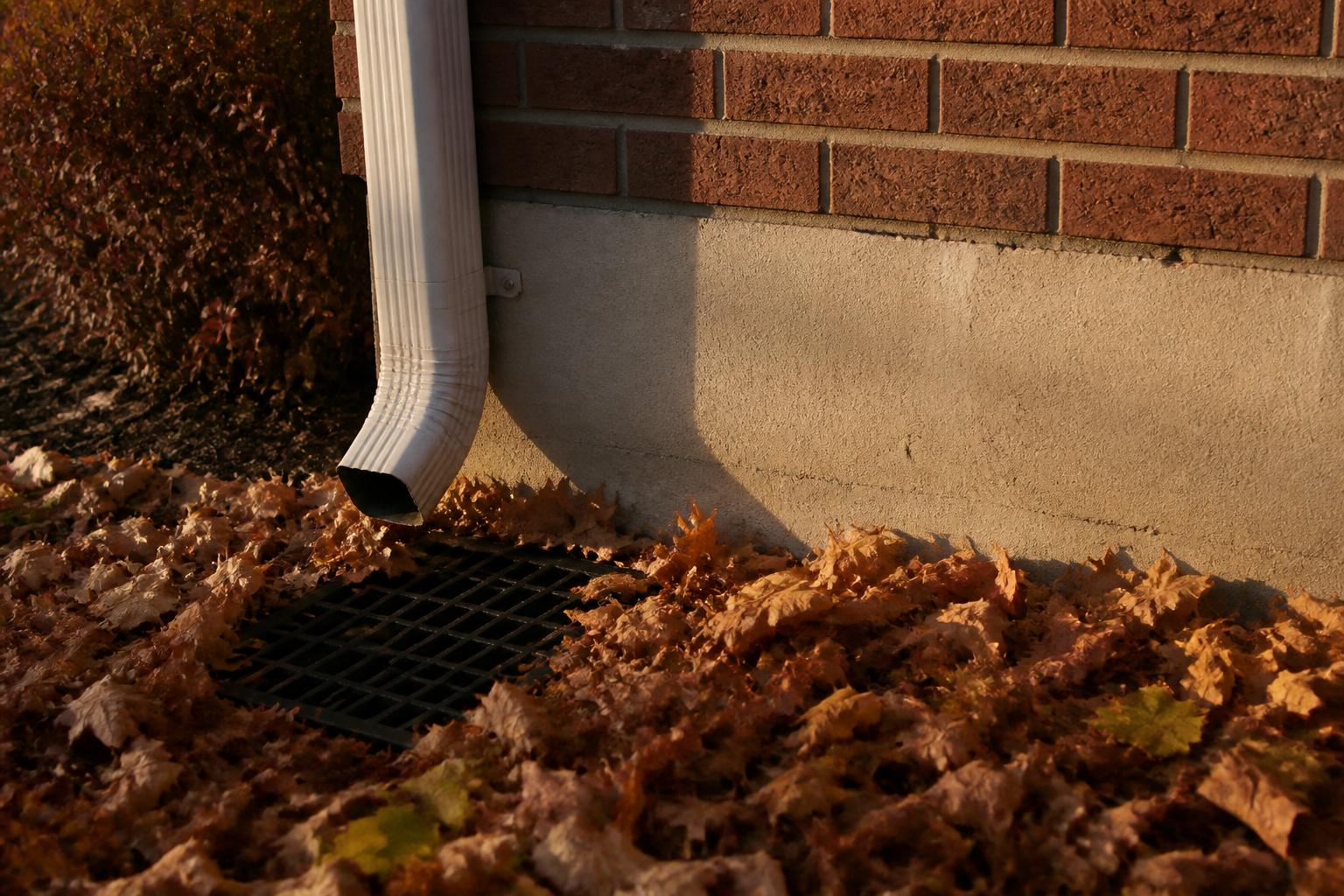
- Exterior drains and downspouts: Are window wells, area drains, or downspout outlets clear of leaves and debris?
- Outdoor cleanouts: If you know where your main cleanout is, is the cap accessible and not buried under mulch or leaves?
- Odours: Any sewer-like smell near a drain that wasn’t there before?
If two or more of these show up, that’s a good sign the drain line has less capacity than it should, and it’s worth having it professionally cleared before it’s tested by a holiday dinner or a hard freeze.
Simple Habits That Buy You Time
A few small habits make a real difference between now and spring. Running hot water down the kitchen sink after cooking helps move grease along before it has a chance to cool and stick to the pipe wall. A drain strainer in the kitchen and bathroom sinks keeps food scraps and hair from ever reaching the trap in the first place. Clearing gutters and downspouts before the leaves really start falling keeps exterior drainage moving instead of backing up against the foundation. None of this replaces a proper inspection if a drain is already slow, but it does buy you time and reduces how often you need one.
When It’s Time to Call a Plumber Instead of a Store-Bought Fix
Chemical drain cleaners can mask a slow drain for a week or two, but they don’t remove a real blockage sitting deeper in the line, and they can damage older pipe if used repeatedly. If a drain is slow in more than one fixture, if it’s been slow for more than a few days, or if you’re hearing gurgling from a drain you didn’t touch, that usually points to something further down the line rather than a simple surface clog. That’s when professional drain cleaning and, if needed, a camera inspection of the line makes more sense than another bottle from the hardware store.
Our drain cleaning & rooter service is built around exactly this kind of fall check-up: we clear the line properly, confirm it’s actually flowing at full capacity (not just “better than before”), and flag anything that looks like it needs a closer look, such as an older drain line that may need repair rather than another cleaning.
What a Fall Drain Visit Actually Involves
A proper fall drain visit is more than running a snake down the nearest sink. We start by asking which fixtures have felt slower, since that tells us whether we’re looking at one branch line or a shared main line further down. From there we clear the affected line with a drain machine sized to the pipe, then run water for long enough to confirm it’s actually draining at full speed rather than just moving a clog a few feet further along.
If a line has backed up more than once in the same spot, or the buildup looks unusually heavy for the age of the home, that’s when a camera inspection earns its keep. It lets us see whether the issue is grease and debris, which cleaning solves outright, or something structural like a bellied section, an offset joint, or root intrusion, which cleaning only manages temporarily. Either way, you leave the visit knowing exactly what you’re dealing with instead of guessing until the next backup.
Frequently Asked Questions
How do I know if my drain just needs cleaning versus repair?
A drain that’s slow but still empties, and has been slow for a while, usually responds well to a proper cleaning. A drain that keeps coming back slow within weeks of being cleared, or that’s paired with gurgling, odours, or a wet spot on the floor above it, often points to a repair issue such as a cracked, bellied, or root-intruded line rather than a simple clog.
Is it too early to book a fall drain check if the weather is still warm?
No — that’s actually the ideal time. Booking before the first cold snap means we can clear and inspect the line without racing a frozen ground or a holiday backlog, and it gives you a clean, fully draining system heading into the season when drains work the hardest.
Can I do anything myself if a drain backs up before I can get service?
Stop running water into that fixture, avoid pouring in any chemical cleaner if the line is already backed up, and if it’s a floor drain or basement fixture, check that nearby items aren’t at risk from a possible overflow. From there, a same-day call is the safer next step.
Do you serve Oshawa for this kind of maintenance visit?
Yes. We’re based in Oshawa and this fall maintenance check is one of the most common calls we run in the city this time of year.
Call Hayes Plumbing
If any of the checklist above sounds familiar, let’s get it looked at before the weather makes it harder to fix. Call Hayes Plumbing & Bathroom Renovations at (905) 576-3043 or use the contact page to book a fall drain check in Oshawa. A short visit now is a lot less disruptive than an emergency call once the ground freezes.