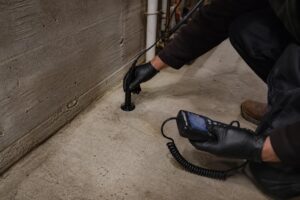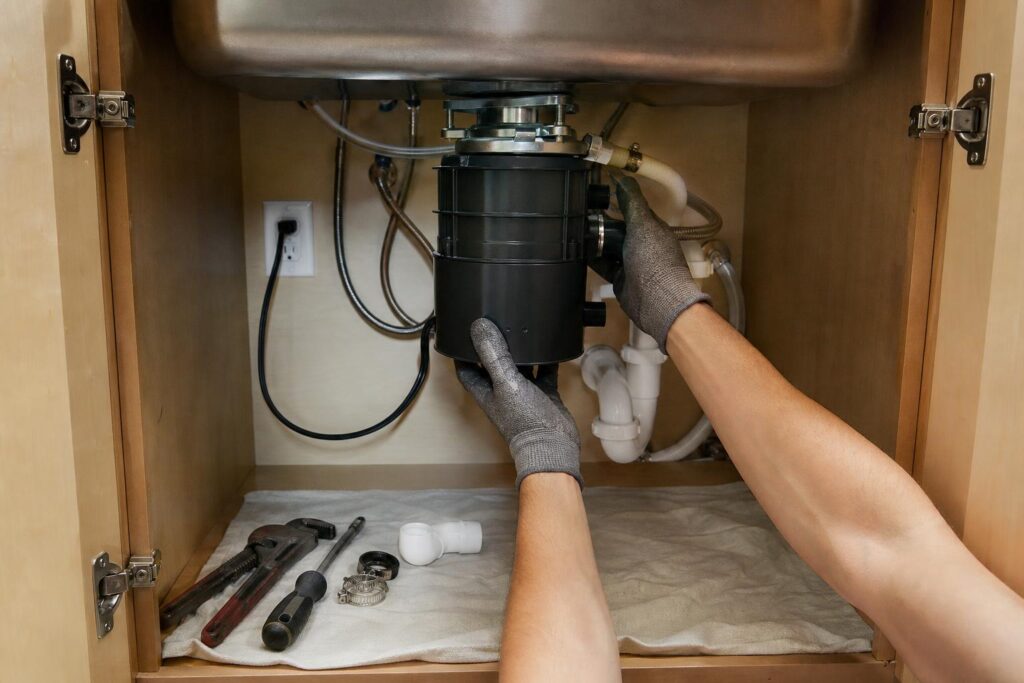
garbage disposal installation Oshawa questions almost always start the same way: a homeowner wants to add or replace a disposal unit and assumes it’s a simple drop-in swap under any kitchen sink. Sometimes it is. Just as often, the sink, the drain line, or the electrical setup underneath needs a small adjustment first — and catching that before installation day saves a second trip and a second bill.
This guide covers what actually has to be right under your sink before a garbage disposal goes in, what a proper installation involves, and the signs that mean your current unit needs replacing rather than another repair.
What a Garbage Disposal Actually Needs From Your Kitchen
A disposal unit depends on three things working together: a sink opening it can mount to, a drain line it can connect into, and a dedicated power source. Most modern kitchens already have all three in some form, but older homes — especially anything renovated before the 1990s — may be missing one of them, which is the single biggest reason a “simple” install turns into a bigger job.
Sink and Cabinet Compatibility
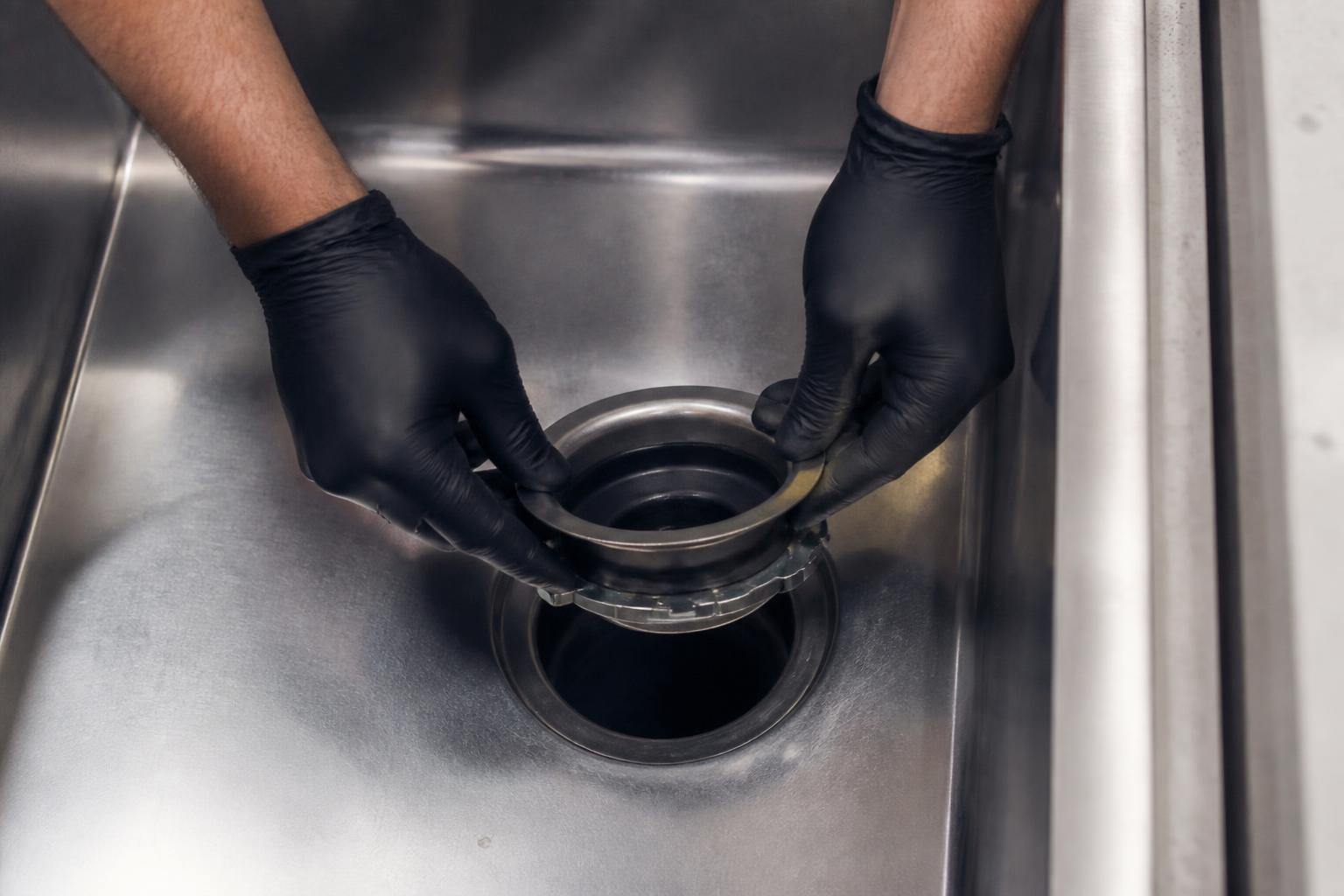
Not every sink is set up to accept a disposal flange, and not every cabinet has room underneath for the extra unit once it’s hanging below the drain. Stainless and cast iron sinks generally accept a standard flange without trouble. Some older porcelain or integrated sinks need a different mounting approach, and a shallow cabinet can leave the disposal sitting too close to a shelf or the floor of the cabinet, which affects both fit and future access for repairs.
If your kitchen has a double sink, the disposal side also needs its own trap configuration separate from the second basin, which is a detail that’s easy to get wrong without plumbing experience.
Electrical and Plumbing Requirements
Garbage disposals need a dedicated 120V circuit, usually run to a switched outlet under the sink or wired to a wall switch. Homes without an existing outlet under the sink need that circuit added before the unit can be safely powered — this is an electrical step, not a plumbing one, and it’s the most commonly missed requirement when someone buys a disposal expecting a same-day plug-and-play install. Any new circuit or outlet added for a kitchen appliance in Ontario needs to meet the standards set by the Electrical Safety Authority, so this step should always go to a licensed electrician rather than being treated as a DIY wiring job.
On the drain side, the disposal needs to tie into the existing drain line at the correct height, and if your kitchen also runs a dishwasher into the same line, the disposal has to have its dishwasher inlet knocked out and connected correctly — a step that’s sometimes skipped, which causes standing water inside the disposal housing.
What Happens During a Proper Installation
When we install a disposal, we start by confirming the sink and cabinet can accept the unit as-is, or flag what needs to change first. From there we mount the flange, connect the disposal body, tie in the drain line and dishwasher connection if applicable, and confirm the electrical connection is dedicated and properly grounded rather than shared with another under-sink appliance. Before calling the job done, we run water and, if there’s a dishwasher connection, a full cycle to confirm there’s no leak at any joint.
Our appliance installation service covers the plumbing side of this kind of kitchen upgrade, including connecting the disposal’s electrical cord to your existing outlet. If you need a new outlet or circuit, that part goes to a licensed electrician first.
Continuous-Feed vs. Batch-Feed Models
Most kitchens use a continuous-feed disposal, which runs as soon as it’s switched on and lets you feed waste in while it’s running. It’s the simpler, less expensive option and works fine for most households. A batch-feed unit only runs once a special stopper is dropped into place and turned, which is slower to use but adds a safety layer — nothing can run the motor unless the stopper is seated, which matters in homes with curious kids around the sink. Batch-feed units also tend to be quieter, since the motor only spins with the stopper covering the opening.
Neither type changes what the sink, drain, or electrical connection needs to look like underneath — the choice is really about how you want to use the unit day to day, not a plumbing consideration.
Common Installation Mistakes That Cause Problems Later
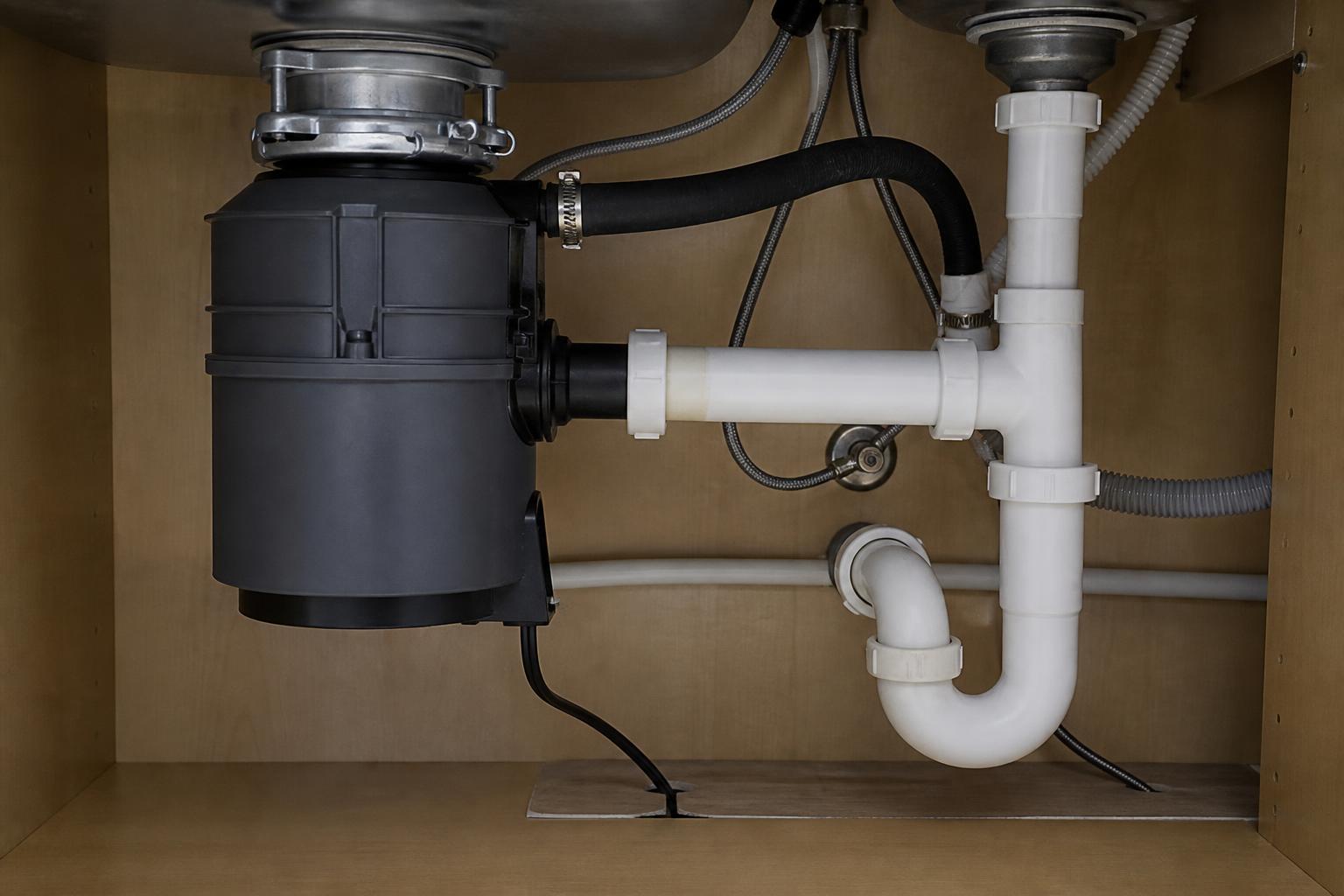
A few mistakes show up often enough on service calls that they’re worth flagging before installation day. Mounting the disposal without a support bracket lets the full weight hang on the drain slip joint alone, which eventually stresses that connection and causes a slow leak. Skipping the dishwasher inlet knockout — a small plug inside the disposal body meant to be removed only if a dishwasher connects to it — either blocks the dishwasher drain entirely or, if removed when there’s no dishwasher, leaves an open port that backs up. Using plumber’s putty instead of the manufacturer’s specified sealant under the flange is another one; some disposal bodies are made of a plastic that reacts poorly with putty over time, which is why manufacturers specify what to use.
None of these mistakes show up immediately, which is exactly why a professional install matters — a unit that seems to work fine on day one can still develop a leak or a drainage issue a few months later if one of these steps was skipped.
Signs Your Existing Disposal Needs Replacing, Not Just Repair
A disposal that hums but doesn’t spin usually has a jammed impeller, which is often fixable. But a unit that leaks from the housing itself, trips its reset button repeatedly even after clearing a jam, or has been in place more than 10-12 years is usually past the point where repair makes sense. Persistent bad odours that don’t clear with regular cleaning can also point to a cracked housing rather than just buildup, which is worth a look before assuming a deeper drain cleaning visit will solve it.
Keeping a New Disposal Running Well
Once a disposal is installed correctly, a few habits keep it working for years. Running cold water — not hot — while the unit is on helps solidify grease so it gets chopped and flushed through rather than coating the inside of the drain line. Avoiding fibrous scraps like celery, corn husks, and onion skins reduces the chance of the motor jamming on stringy material that wraps around the impeller. An occasional grind of ice cubes helps knock loose buildup on the grinding components without needing a chemical cleaner, which can be harder on the seals than most people expect.
Frequently Asked Questions
Can any kitchen sink have a garbage disposal added?
Most stainless and cast iron sinks can accept a disposal with a standard flange. Some older or integrated sinks need a different mounting approach, which is worth confirming before you buy a specific unit.
Does a garbage disposal need its own electrical outlet?
Yes — it needs a dedicated 120V circuit, typically run to a switched outlet or wall switch under the sink. We connect the disposal’s electrical cord to your existing outlet; if your home doesn’t have one under the sink, a licensed electrician needs to add the circuit first.
How long does a garbage disposal installation take?
A straightforward swap where the sink, drain, and electrical are already compatible usually takes under two hours. Adjusting the drain configuration adds time, and a missing outlet has to be added by a licensed electrician before the unit can be connected.
Is a continuous-feed or batch-feed disposal better for my kitchen?
Continuous-feed units suit most households and cost less. Batch-feed units are worth considering in homes with young children around the sink, since the motor can’t run without the stopper in place.
Do you install garbage disposals in Oshawa?
Yes. We install new units and replace failing ones as part of our appliance installation service across Oshawa and the wider Durham Region.
Call Hayes Plumbing
If you’re shopping for a garbage disposal or your current one is leaking, jamming, or smells like it’s past its best years, call Hayes Plumbing & Bathroom Renovations at (905) 576-3043 or use the contact page to book a check in Oshawa. We’ll confirm what your kitchen needs before you spend money on the wrong unit.