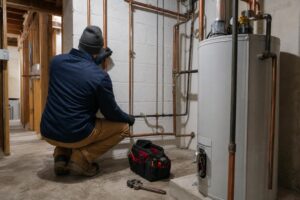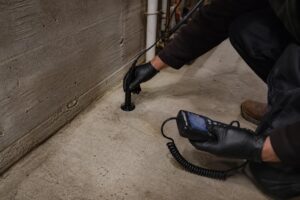
How to flush a water heater is something Oshawa homeowners ask us about every fall, usually right after they notice the hot water isn’t quite as hot as it used to be, or the tank is making a faint popping or rumbling sound. That sound is sediment — minerals that settle out of the water and collect at the bottom of the tank over time. Flushing the tank is one of the few pieces of home maintenance that genuinely extends the life of the equipment, and it’s worth understanding both how it works and where the line is between a homeowner task and a job for a licensed plumber.
This guide walks through what sediment buildup actually does to a water heater, the safe version of the flush process, and the situations where we’d recommend calling us instead of doing it yourself.
What Sediment Actually Does to Your Tank
Every home’s water carries some dissolved minerals, and a water heater is essentially a large tank that heats the same water day after day. Over months and years, those minerals settle to the bottom of the tank as sediment. A thin layer isn’t a big deal, but as it builds up it does two things: it insulates the bottom of the tank from the burner or element, making the unit work harder and longer to heat the same amount of water, and it can trap heat against the tank’s steel or glass lining in a way that accelerates wear.
Homeowners usually notice the effects before they think to check the tank itself — hot water running out faster than it used to, a rumbling or popping sound during the heating cycle, or a slight metallic smell in the hot water. All three are classic signs that it’s time for a flush rather than a sign of a heater that’s failing outright.
The Safe Version of a Water Heater Flush
If your water heater is gas-fired, turn the thermostat to “pilot” or the lowest setting before starting; on an electric unit, switch off the breaker first, since running the heating element dry can burn it out. From there:
- Shut off the cold water supply feeding into the tank so it won’t refill while you’re working.
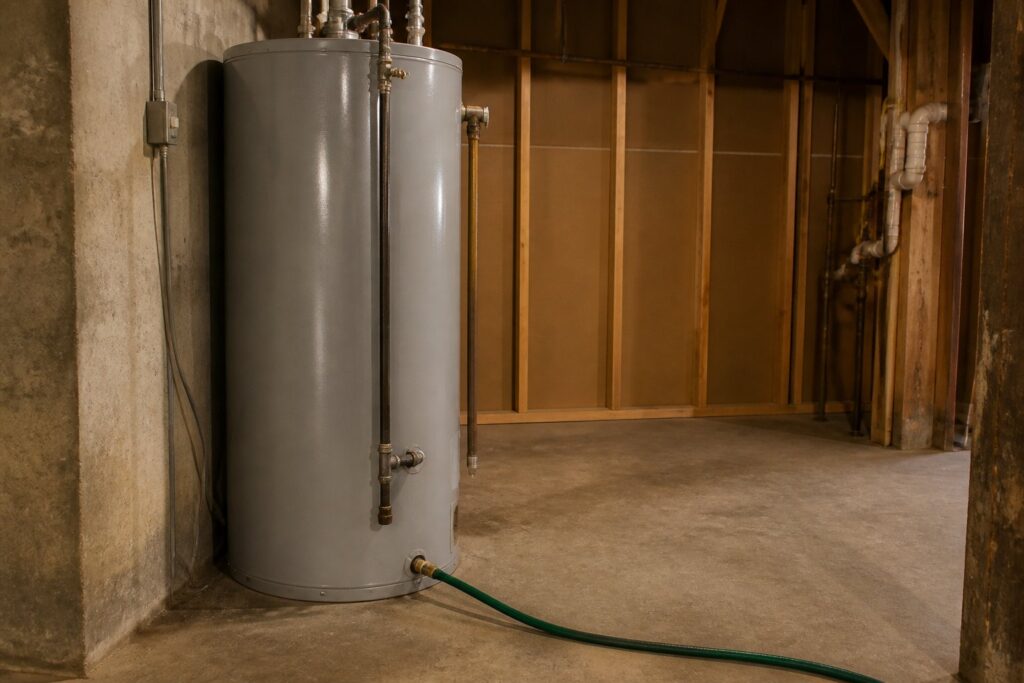
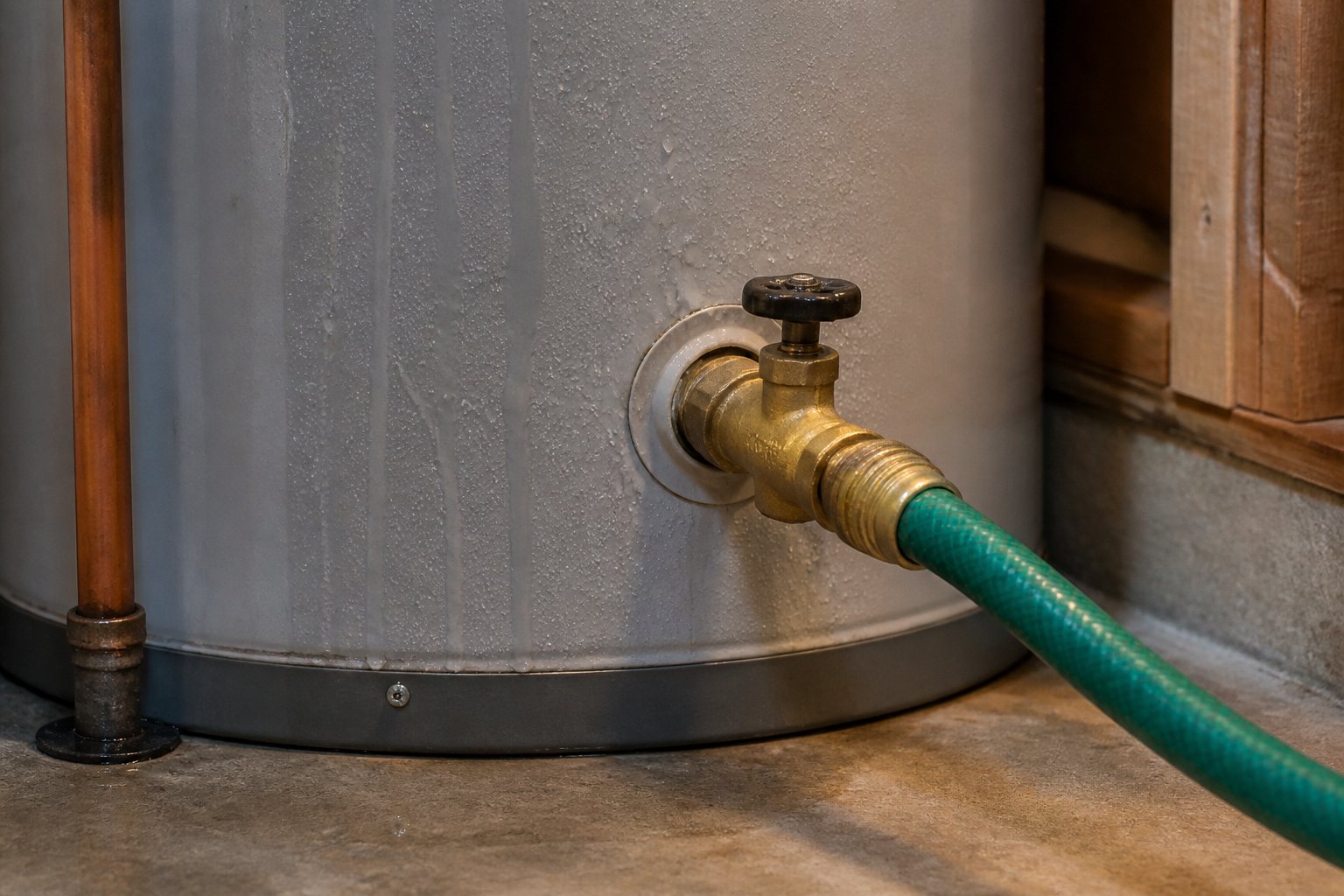
- Connect a garden hose to the drain valve near the bottom of the tank and run the other end to a floor drain or outside, away from anything the hot water could damage.
- Open the drain valve and let the tank empty completely, opening a nearby hot water tap briefly to help break any vacuum and let it drain faster.
- Turn the cold water supply on briefly in short bursts once the tank is empty, letting it flush out through the drain valve until the water runs clear instead of cloudy or gritty.
- Close the drain valve, remove the hose, and refill the tank fully before turning the power or gas back on, since heating an empty or partially full tank can damage it.
Done carefully, this whole process usually takes 30 to 45 minutes, most of which is just waiting for the tank to drain and refill.
When a Flush Turns Into a Bigger Job
The most common snag isn’t the flush itself, it’s the drain valve. On an older tank, that valve can be corroded or partially clogged with the same sediment you’re trying to remove, and it’s not unusual for it to leak, seize, or stop fully closing once it’s been opened after years of sitting untouched. If the valve won’t open, won’t fully close afterward, or you’re seeing water where you shouldn’t around the base of the tank, that’s the point to stop and call a plumber rather than force it — a stuck or damaged drain valve on a full tank is a real leak risk, not a minor inconvenience.
It’s also worth having a professional flush done if the tank hasn’t been flushed in more than a year or two, since heavier sediment buildup takes more than a quick home flush to fully clear and can mask early signs of a tank nearing the end of its service life.
Why This Maintenance Is Worth Doing at All
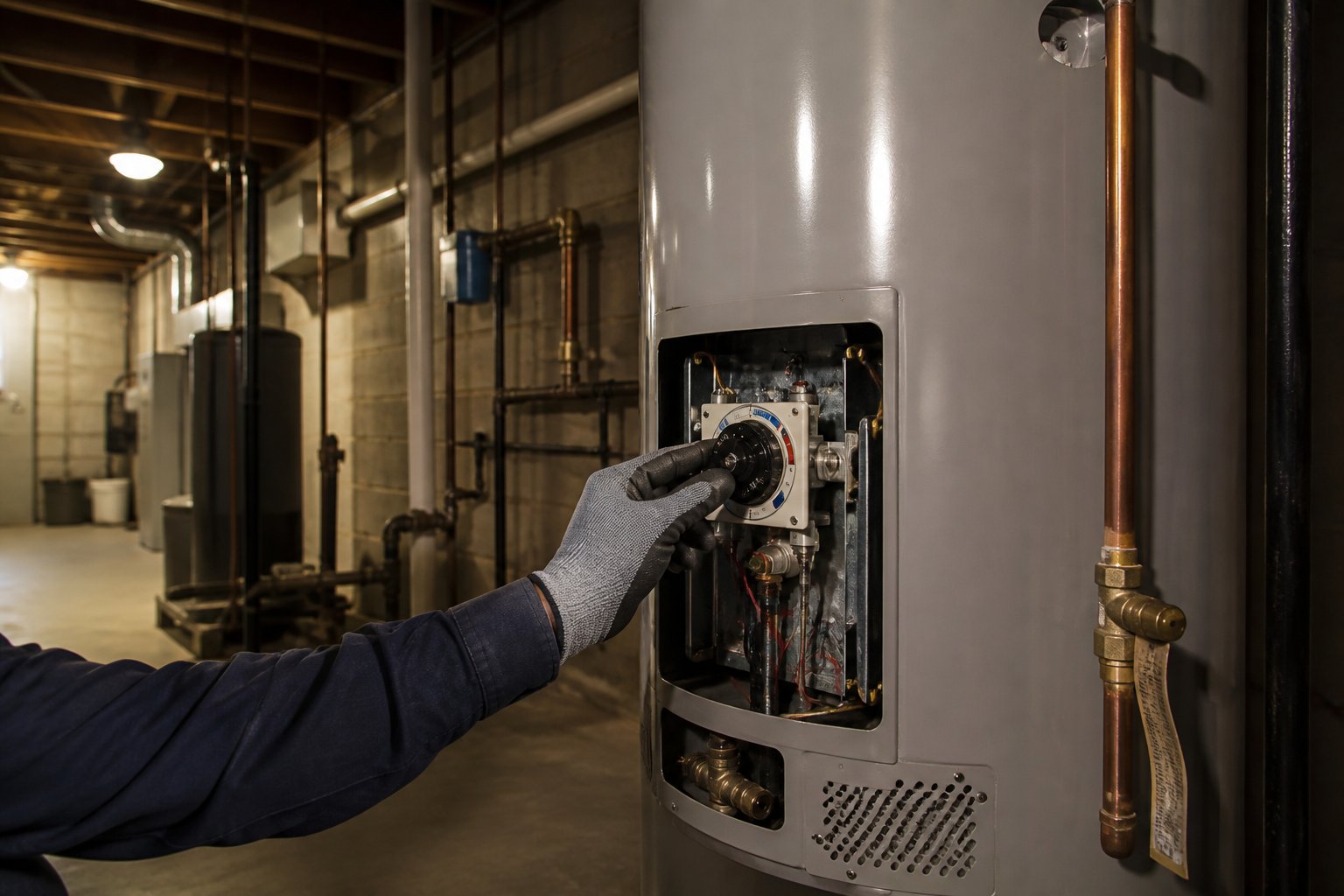
A tank that’s flushed on a normal schedule heats water more efficiently, runs quieter, and simply lasts longer before it needs replacing. Most manufacturers put tank life in the 8 to 12 year range, and the homes we see get closer to the long end of that range are almost always the ones where sediment hasn’t been allowed to build up unchecked for years at a time.
If you’d rather not deal with valves, hoses, and floor drains yourself, our team can handle the flush as part of a broader general plumbing maintenance visit, and take a look at the anode rod and connections at the same time so you get a full picture of the tank’s condition, not just a cleaner bottom.
What to Expect From a Professional Water Heater Service Visit
When we handle a flush, we don’t stop at draining and refilling the tank. We check the drain valve first, since that’s the part most likely to give an older tank trouble, and replace it if it’s corroded or not sealing properly before it becomes a leak instead of a maintenance item. We also check the anode rod, the sacrificial metal rod inside the tank that attracts corrosion so the tank’s steel lining doesn’t have to, since a rod that’s mostly gone means the tank itself starts corroding next.
We finish by confirming the burner or heating element cycles correctly, the temperature setting is safe and consistent, and there’s no sign of moisture around the base of the tank that could point to a slow leak forming. That combination is what actually adds years to a tank’s service life, rather than a flush on its own.
Frequently Asked Questions
How often should a water heater actually be flushed?
Once a year is a reasonable default for most Oshawa homes. If your water is on the harder side or you’ve never had it flushed, an annual schedule going forward will keep sediment from building back up to problem levels.
Is it safe to flush a water heater myself?
For a tank in reasonably good condition with a working drain valve, yes, following the steps above carefully. If the tank is older, the valve looks corroded, or you’re not comfortable working around the gas or electrical shutoff, it’s a reasonable and inexpensive service call instead.
What if water doesn’t run clear even after a long flush?
That usually means sediment has built up beyond what a home flush can fully clear, or there’s scale buildup on the tank’s heating surface. At that point we’d want to inspect the tank in person rather than have you keep flushing indefinitely.
Do you handle water heater maintenance for Oshawa homes?
Yes. We’re based in Oshawa and this is one of the most requested fall maintenance visits we do.
Call Hayes Plumbing
If your water heater is due for a flush, or you’re not sure it’s safe to do yourself, call Hayes Plumbing & Bathroom Renovations at (905) 576-3043 or use the contact page to book a visit in Oshawa. A quick check now is the easiest way to avoid a cold shower and an emergency replacement later.