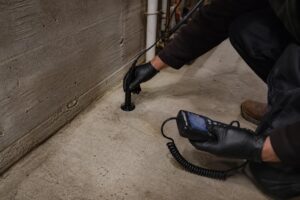
hydro jetting vs snaking Durham Region homeowners ask us to compare almost every time a drain backs up more than once. Both methods clear a blocked line, but they don’t do the same job, and picking the wrong one can mean paying for a service call that only buys a few weeks before the same drain backs up again. This guide walks through how each method actually works, what each one is genuinely good at, and how we decide which one a specific drain needs.
How Snaking Works
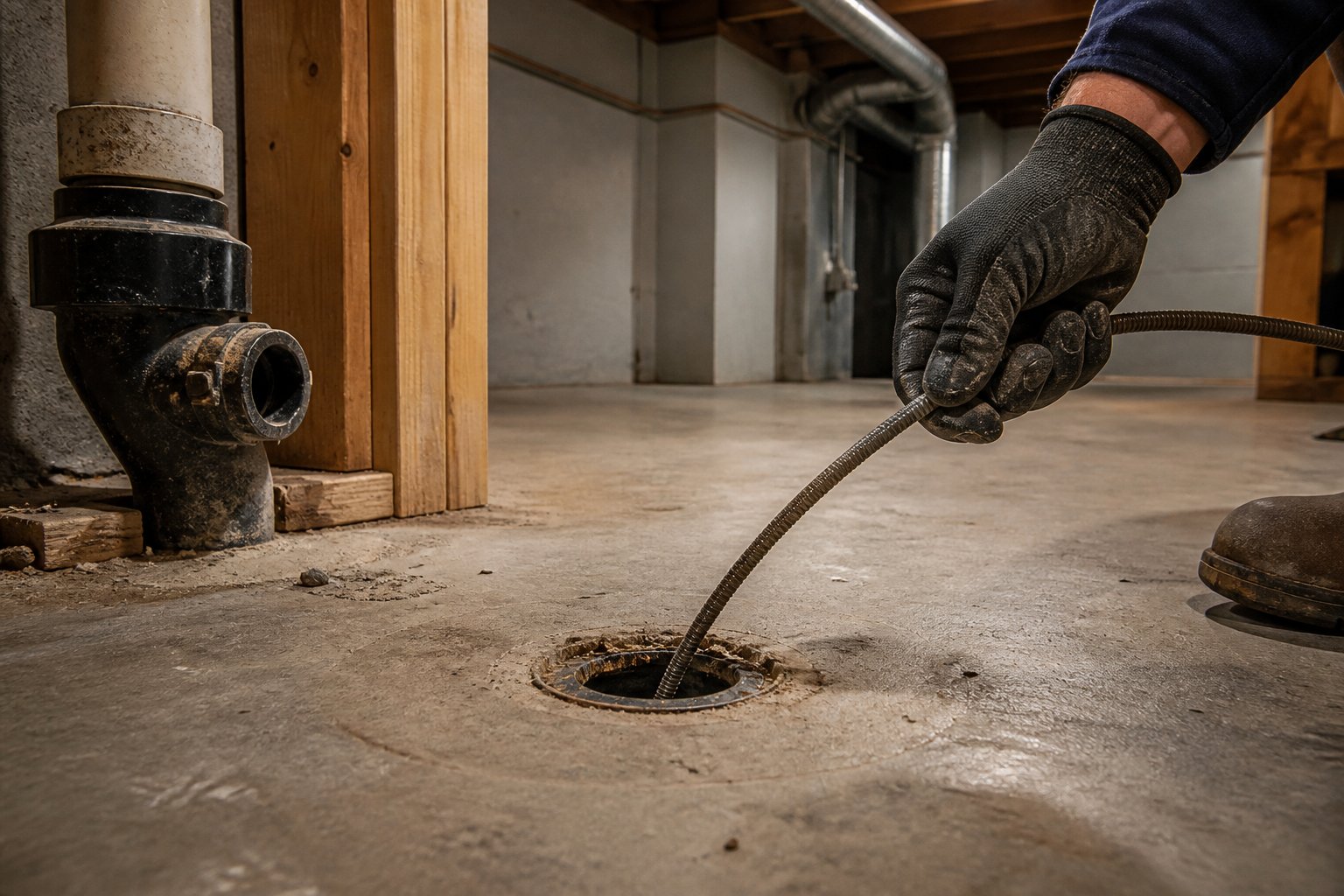
A drain snake — also called a cable machine or auger — is a flexible steel cable with a cutting or corkscrew head that’s fed directly into the pipe. As the cable turns, the head breaks through the blockage and either pulls debris back out or punches a channel through it so water can flow again. It’s fast, it doesn’t require much setup, and for a straightforward clog — hair in a bathroom drain, food debris in a kitchen line, a single solid obstruction — it’s often exactly the right tool for the job.
What snaking doesn’t do particularly well is clean the full diameter of the pipe. It punches a path through the blockage roughly the width of the cable head, which clears the immediate problem but can leave grease, scale, and buildup coating the rest of the pipe wall untouched. That’s fine for a one-time clog. It’s less fine for a line that keeps backing up every few months, because the same buildup that caused the first clog is often still sitting there, narrowing the pipe again.
How Hydro Jetting Works
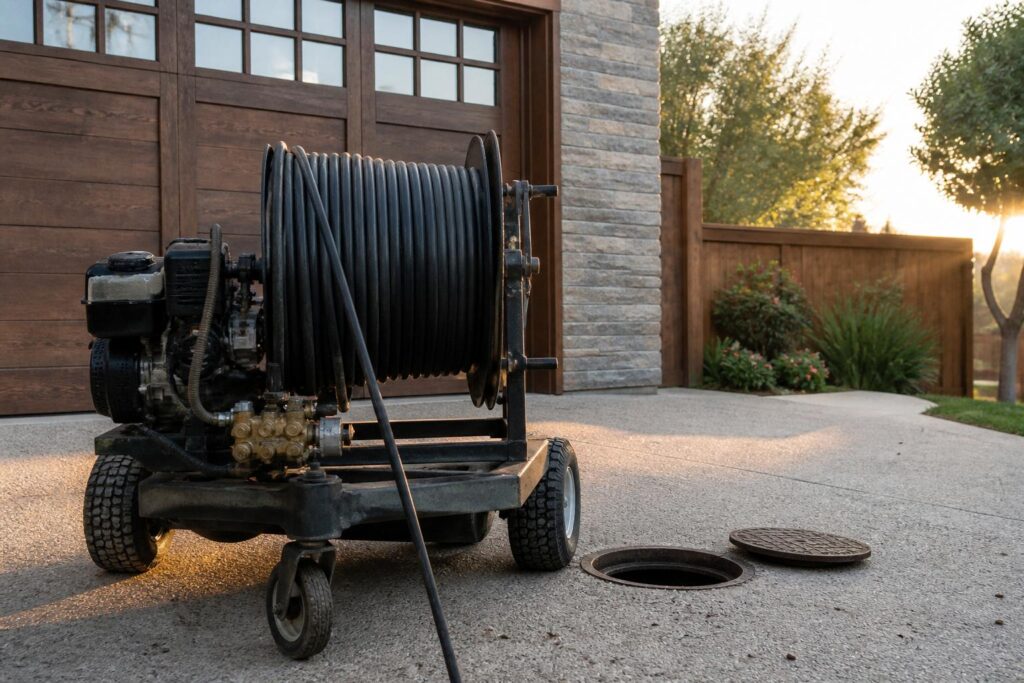
Hydro jetting uses a specialized nozzle on the end of a flexible hose to blast water at very high pressure through the entire pipe, in every direction at once. Rather than punching a single channel through a blockage, the jetting nozzle scours the full interior wall of the pipe — grease, soap scum, mineral scale, and root intrusion all get stripped away, not just the material directly blocking flow. Done properly, a jetted line comes out close to its original diameter rather than just “passable again.”
The tradeoff is that jetting needs the right equipment and a line in reasonable structural condition to be effective and safe. On an older or already-compromised pipe — one with cracks, significant corrosion, or a bellied section — the high pressure that makes jetting effective on a healthy line can be too aggressive for a line that’s already failing. That’s why we always confirm pipe condition, usually with a camera inspection, before recommending jetting on an older line.
Comparing the Two Side by Side
- Best for a single, recent clog: Snaking is usually faster and less expensive, and it solves the immediate problem without more equipment than necessary.
- Best for a drain that keeps coming back: Jetting addresses the buildup coating the whole pipe, not just the spot that’s currently blocked, which is usually why a repeat clog stops repeating after a proper jetting.
- Best for heavy grease buildup, such as a kitchen main line: Jetting removes grease coating far more thoroughly than a cable can, since the cable only punches through the middle of the buildup rather than stripping it from the pipe wall.
- Best for a line with root intrusion: Jetting can cut through and clear light-to-moderate roots along the full pipe length; heavier root intrusion may need a combination approach or a closer look at the line’s condition first.
- Best when pipe condition is uncertain or the line is older: Snaking is the gentler option until a camera inspection confirms the pipe can safely handle jetting’s pressure.
How We Decide Which One a Drain Needs
We start by asking the same questions with every drain-cleaning call: has this line backed up before, and if so, how recently and how often? A first-time, isolated clog almost always gets snaked first, since it’s the faster and less invasive option and it usually solves the problem outright. A line with a repeat history, heavy grease exposure like a kitchen main, or slow drainage across multiple fixtures at once is a stronger candidate for jetting, especially once a camera inspection confirms the pipe itself is in good enough shape to handle it.
Sometimes the right answer is both: snake first to clear the immediate blockage and confirm the line is even accessible, then follow with a camera look and jetting if the buildup along the pipe walls justifies it. We’d rather walk a homeowner through that reasoning than default to the most expensive option every time — a straightforward clog doesn’t need jetting, and a chronically clogged grease line doesn’t get fixed long-term with just a cable.
Our drain cleaning & rooter service covers both methods, and if a camera inspection shows a structural issue rather than just buildup, that’s when we’d talk through drain line repair instead of another round of cleaning. Both methods and the equipment behind them are addressed in the plumbing code standards published by the International Association of Plumbing and Mechanical Officials (IAPMO), which is part of why we’re careful about matching the method to the pipe rather than defaulting to one tool for every call.
Using Jetting as Preventive Maintenance, Not Just a Fix
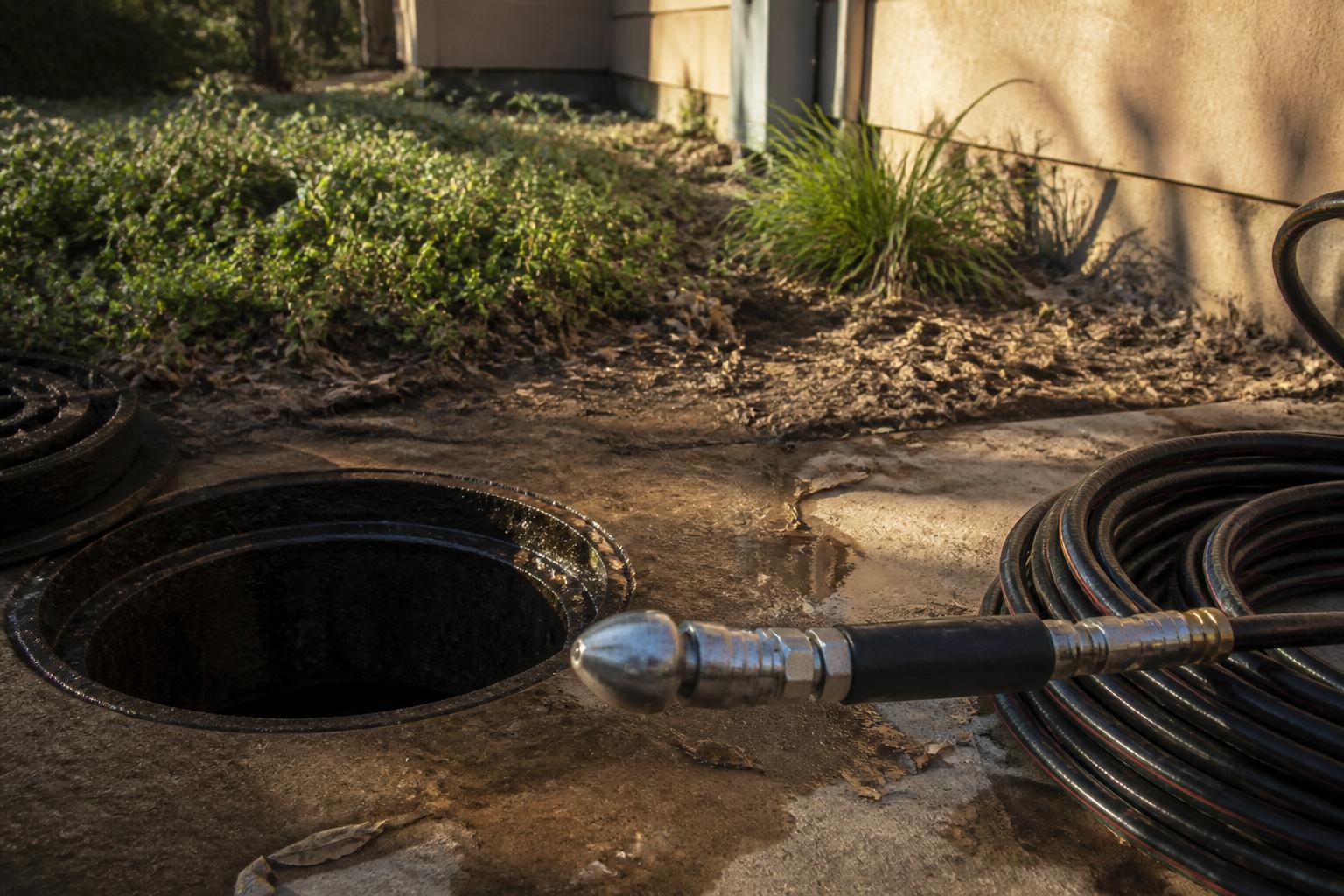
Homeowners usually think of both methods as reactive — something you call for once a drain is already backed up. Jetting also works well as scheduled maintenance on lines that see heavy use, particularly a kitchen main serving a household that cooks often, or a commercial kitchen line where grease accumulation is constant. A yearly or every-other-year jetting on a line like that keeps buildup from ever reaching the point where it causes a backup, which is usually cheaper over a few years than repeated emergency snaking calls plus the water damage risk that comes with an actual backup.
The same logic applies to older homes with cast iron drain lines, which tend to develop rough, scaled interior surfaces that catch debris more easily than newer PVC lines. A rough cast iron line that gets snaked repeatedly without ever being jetted tends to keep backing up on a predictable schedule, because the scale that’s catching debris in the first place never gets addressed. Jetting that same line periodically smooths the interior surface enough to meaningfully extend the time between service calls, even though the pipe material itself hasn’t changed.
What to Expect During a Service Visit
For a straightforward snaking call, expect the visit to take 30 to 60 minutes from arrival to a confirmed clear drain, including a test run of water through the fixture. A jetting visit takes longer, usually 1 to 2 hours depending on the length of the line and how much buildup is inside, since the process involves feeding the hose the full length of the pipe and working it back out slowly enough to clean the entire wall rather than rushing through. On either visit, we’ll walk you through what we found before we start and what we recommend once the line is clear, rather than handing you an invoice with no explanation.
Frequently Asked Questions
Is hydro jetting safe for older pipes?
It can be, but not automatically. We check pipe condition first, usually with a camera, before recommending jetting on an older line. Pipes with existing cracks or heavy corrosion may need a gentler approach or a repair conversation instead.
Why did snaking only fix my drain for a few weeks?
Snaking clears the immediate blockage but doesn’t scrub buildup off the rest of the pipe wall the way jetting does. If a line keeps backing up on roughly the same schedule, that’s usually a sign the underlying buildup is still there and jetting would address it more completely.
Does jetting cost more than snaking?
Jetting typically involves more equipment and time than a straightforward snaking job, so it’s usually the higher-cost option between the two. We’ll always explain which one a specific drain actually needs rather than defaulting to jetting for a clog that snaking would resolve just as well.
Do you offer both services in Durham Region?
Yes. We provide both drain snaking and hydro jetting across Durham Region, including Oshawa, Ajax, Whitby, Pickering, and Clarington, and we’ll recommend the method that fits the actual condition of your line.
Call Hayes Plumbing
If a drain keeps backing up or you’re not sure which service your line actually needs, call Hayes Plumbing & Bathroom Renovations at (905) 576-3043 or use the contact page to book a drain cleaning visit in Durham Region. We’ll take a look, explain what we’re seeing, and recommend the method that actually solves the problem.