Knowing the early signs of a toilet flange leak can help homeowners and property managers across Oshawa and Durham Region act before a small problem damages the flooring. Small plumbing symptoms can look harmless at first, but they often point to supply, drain, venting, fixture, or shut-off issues that are easier to handle before water damage starts. This guide explains what to check and when to call Hayes Plumbing & Bathroom Renovations.
The goal is not to turn a homeowner into a plumber. It is to help you describe the problem clearly, avoid risky temporary fixes, and decide whether the next step is maintenance, repair, replacement, or a larger plumbing review. Good notes about timing, location, smell, sound, and recent work can shorten the diagnosis.
Early warning signs around the toilet base
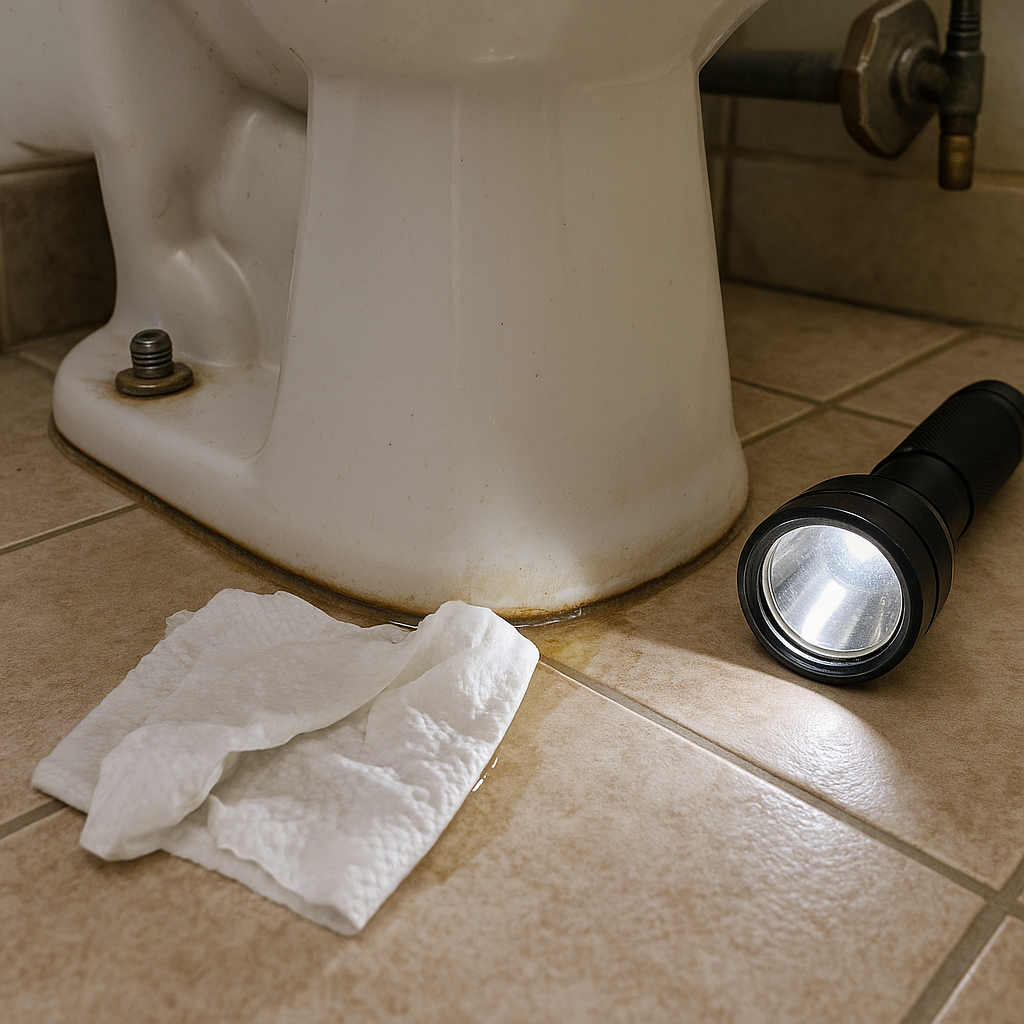
A toilet flange leak often starts with movement or moisture that is easy to overlook. The bowl may rock slightly when someone sits down, a thin line of water may appear at the base after a flush, or a sewer-gas smell may return even after the bathroom is cleaned. These signs point below the fixture, where the flange anchors the toilet and the wax ring seals the drain connection.
Flooring can provide another clue. Vinyl may lift at an edge, grout can darken, and wood or laminate may feel soft or swollen near the toilet. In a second-floor bathroom, staining on the ceiling below can appear before water is obvious upstairs. The EPA WaterSense leak guidance explains why small household leaks deserve attention; water escaping beneath a toilet also carries the added risk of hidden subfloor damage.
What you can check without removing the toilet
Start with the bathroom dry. Wipe the floor around the toilet, flush once, and watch the base for several minutes. Check the tank bolts, supply line, shut-off valve, and the connection beneath the tank first, because water from above can run down the bowl and look like a flange leak. A piece of dry tissue passed around each connection can reveal a small drip that is hard to see.
Next, place your hands on opposite sides of the bowl and test for movement without forcing it. Note any rocking, recurring odour, damp grout, or soft flooring, and take clear photos for the plumber. Do not keep tightening the floor bolts, add caulk to trap the water, or remove the toilet yourself unless you have the right tools and experience. Overtightening can crack the porcelain or damage an already weakened flange.
Why wax rings and toilet flanges begin to leak
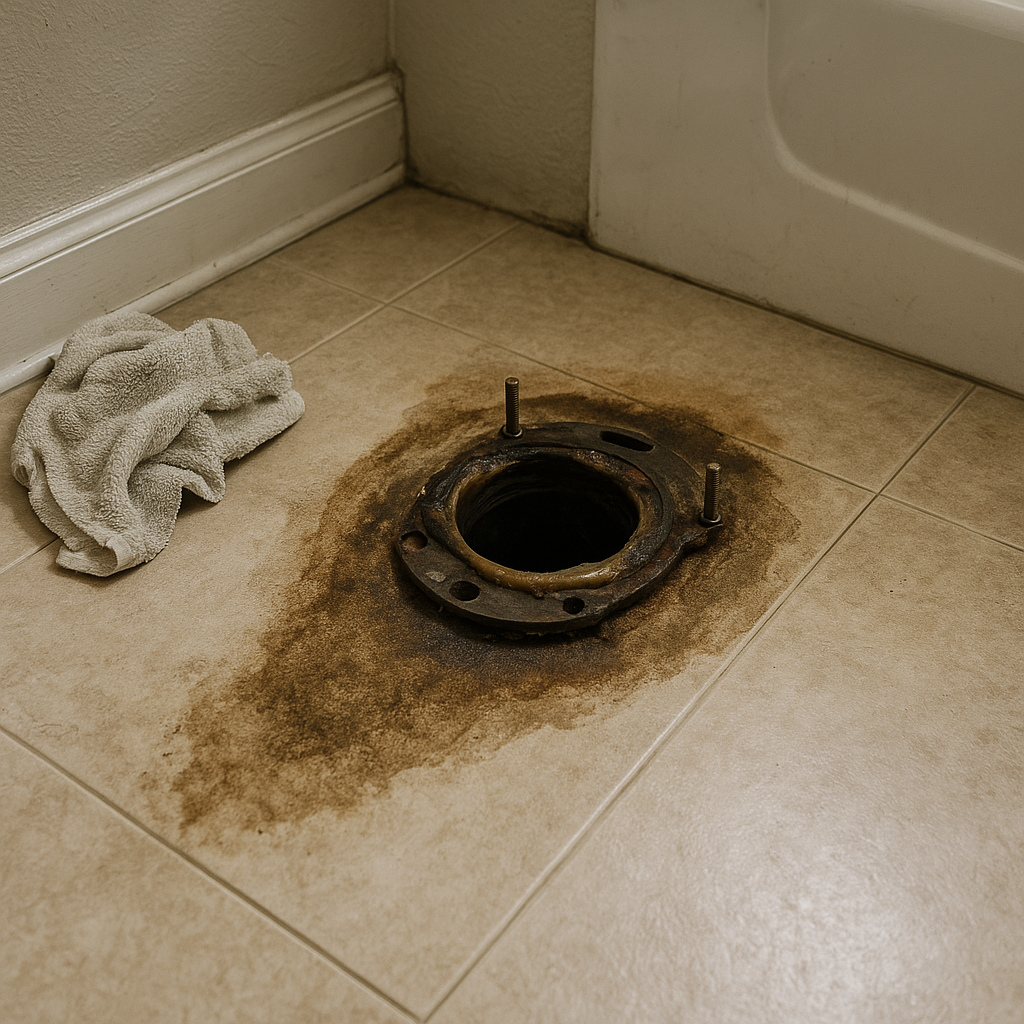
The wax ring can lose its seal when the toilet moves, the floor flexes, or the fixture was not seated evenly during installation. Age alone is not always the cause. A flange that sits too low after new flooring, cracked mounting slots, loose closet bolts, or corrosion around older metal parts can let the bowl shift and break the seal. Once that happens, each flush can push a small amount of water beneath the toilet.
Diagnosis matters because replacing the wax ring without correcting the flange height or movement can lead to another leak. Hayes Plumbing checks the bowl, flange, fasteners, drain opening, and nearby floor before recommending the repair. If the subfloor has softened, the toilet may need to stay out until that damage is assessed. Finding the full cause protects the new seal and helps avoid covering an active problem with a quick cosmetic fix.
When a toilet flange leak needs prompt service
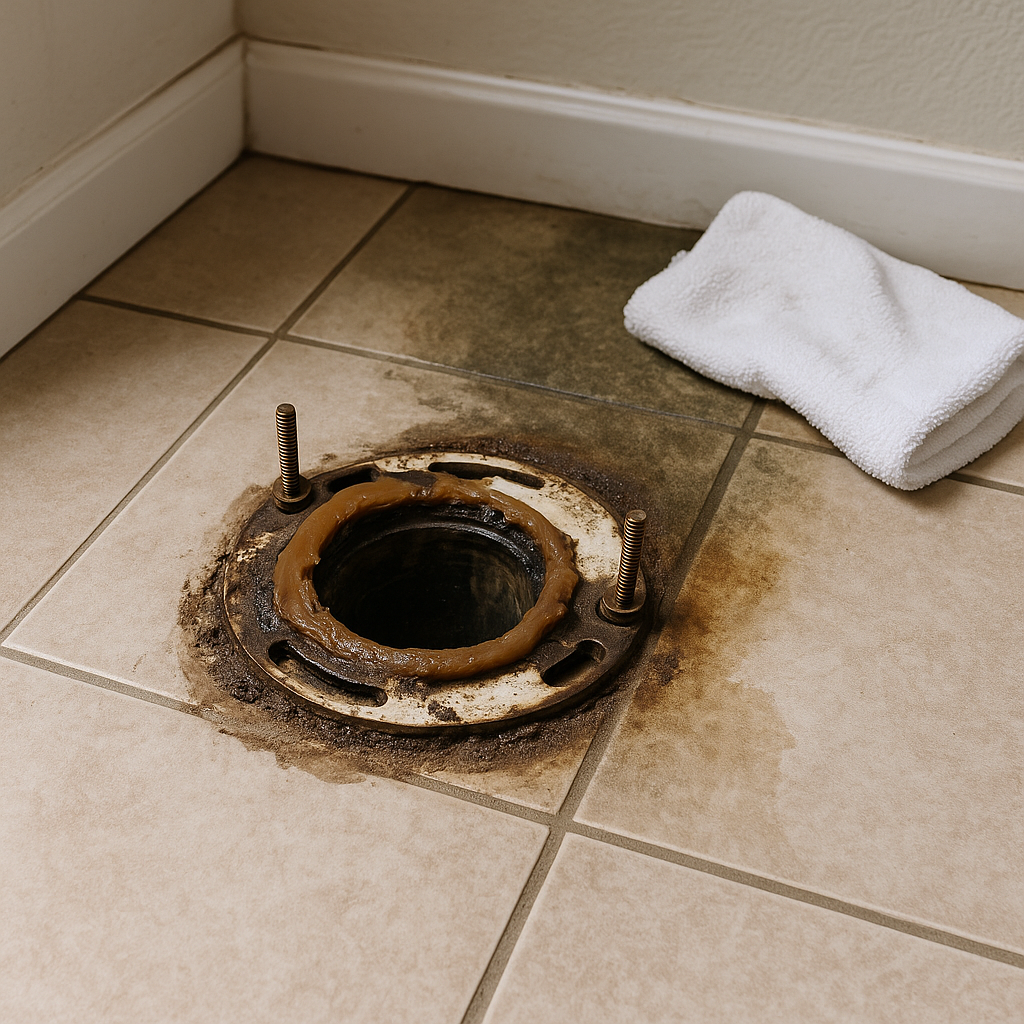
Arrange prompt service when water appears at the base after a flush, the toilet rocks, the floor feels soft, or a sewer-gas odour keeps returning. Stop using the fixture if water is actively seeping out, because every additional flush can send more moisture beneath the flooring. In an upstairs bathroom, new staining or dampness on the ceiling below is another reason to keep the toilet out of service until it is inspected.
A brief delay can turn a seal replacement into a larger flooring or subfloor repair. Place towels around visible water, use another bathroom if one is available, and avoid tightening the closet bolts or sealing the base with more caulk. If the bowl feels unstable, do not try to rock it back into place. Movement can crack the porcelain, widen a damaged flange, or release more water around the failed seal.
How Hayes Plumbing repairs a leaking toilet connection
Hayes Plumbing can confirm whether the water is coming from the flange, wax ring, tank, supply line, or another nearby connection. When the toilet must be lifted, the plumber can inspect the flange for cracks, corrosion, poor height, or loose anchoring and then explain whether it can be secured, repaired with an approved flange solution, or replaced. The new seal is installed only after the mounting surface and drain connection are ready.
The surrounding floor also needs a careful look. Minor surface moisture and a soft or damaged subfloor are very different repair scopes, and the right next step depends on what is found beneath the bowl. If bathroom renovation work is already planned, the visit is also a good time to coordinate flange height with the finished flooring so the toilet sits solidly after the remodel.
When you contact the team, share when the leak appears, whether the toilet moves, any odour, and photos of the base and ceiling below. That information helps the office prepare for the visit. You can also review Hayes Plumbing's leak detection and repair service or general plumbing service for related help across Oshawa and Durham Region.
After the repair, the toilet should sit firmly with no rocking at the base. Avoid using the fixture until the plumber confirms the seal and mounting are secure, especially when floor repairs were needed. Over the following days, watch the grout or flooring for renewed dampness and note whether any sewer-gas odour returns. A toilet that starts moving again should be checked before repeated use breaks the new seal. Keeping the bathroom dry and reporting movement early is far less disruptive than waiting for moisture to spread beneath finished flooring or into the ceiling below.
Frequently asked questions about toilet flange leaks
What are the earliest signs of a failed wax ring?
A toilet that rocks, a recurring sewer-gas odour, damp grout, or water at the base after flushing can signal a broken seal. The leak may stay hidden beneath the bowl at first, so changes in the floor matter too.
Can water at the toilet base come from somewhere else?
Yes. A leaking supply line, shut-off valve, tank bolt, or tank-to-bowl gasket can send water down the outside of the fixture. Dry the area and check those connections before assuming the flange is the source.
Will caulking around the toilet stop a flange leak?
No. Caulk does not repair a failed wax ring or damaged flange. Sealing the outside edge can trap water beneath the bowl and delay detection while the subfloor continues to absorb moisture.
Does a rocking toilet always mean the flange is broken?
Not always. The fixture may be uneven, the bolts may be loose, the floor may flex, or the flange may sit at the wrong height. The toilet should be lifted and the mounting surface inspected before the correct repair is chosen.
Can the toilet be used while I wait for service?
Avoid using it when water appears after flushing, the floor is soft, or the bowl moves. If the area stays dry and the toilet is stable, ask the plumber for guidance based on the symptoms, but monitor it closely and use another bathroom when possible.
Does Hayes Plumbing serve areas outside Oshawa?
Yes. Hayes Plumbing serves Oshawa and nearby Durham Region communities including Whitby, Ajax, Pickering, and Clarington.
Call Hayes Plumbing
For help with this issue, call Hayes Plumbing & Bathroom Renovations at (905) 576-3043 or use the contact page to schedule service. The team can review the symptoms, explain the likely next step, and help protect the home or building before a small problem spreads.